
Views: 0 Author: Site Editor Publish Time: 2025-10-15 Origin: Site


Many people struggle with cold lunches. A warm meal improves taste and safety. In this article, we explore how to keep your lunch box food hot. You will learn practical tips, container choices, and simple methods to enjoy warm meals anywhere.
Choosing the right insulated lunch box is the first step to keeping food hot. Insulated containers, particularly stainless steel or vacuum-sealed jars, excel at maintaining temperature. Multi-compartment lunch boxes also allow separation of hot and cold items, which preserves texture and prevents flavors from mixing. Selecting a container designed specifically for heat retention ensures meals remain enjoyable hours after preparation.
Different containers cater to different needs. Single-compartment jars are ideal for soups or stews, while bento-style boxes work best for varied meals. The shape and size of the container influence how long food stays warm, so choose wisely based on your meal type. Some containers can keep food hot for up to six hours, making them ideal for long commutes or school days.
Material significantly impacts heat retention. Stainless steel containers provide superior insulation compared to plastic, offering both durability and safety. Vacuum-sealed stainless steel is particularly effective for retaining heat over extended periods. While plastic containers are lightweight, they often fail to keep food warm and may warp under high temperatures. Investing in quality materials ensures a longer-lasting, safer lunch solution.
Matching the container size to the meal volume is essential. Overfilling or underfilling can lead to faster heat loss or uneven temperature. For children, smaller containers are easier to open and manage, while adults might prefer larger options that accommodate full meals. Proper sizing ensures that food remains warm and accessible without causing spills or overpacking.
A tight, leak-proof lid prevents heat from escaping and reduces the risk of spills. Containers with secure seals retain warmth longer and maintain consistent temperature throughout the lunch period. While packing, always check the lid and seal quality. A compromised seal can lead to both messes and rapid cooling of your meal.
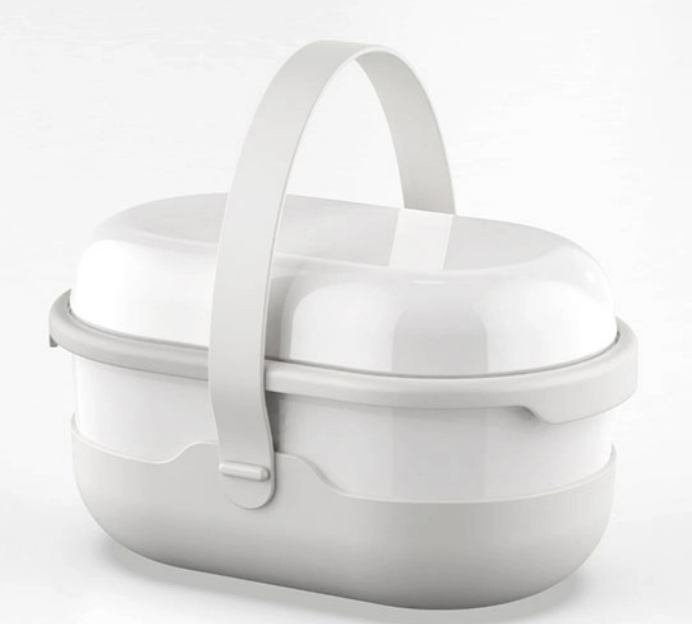
One of the most effective ways to maintain warmth is preheating your lunch box. Pour boiling water into the container, let it sit for a few minutes, then empty it before adding hot food. This simple technique ensures that your meal stays warm instead of cooling the container upon contact. Consistent preheating can significantly extend the time your food stays at the desired temperature.
Preheating can also be applied to insulated jars used for soups or stews. By warming the container, the food remains at a safe temperature above 140°F for several hours. It’s a straightforward method that does not require electricity and works well for school, work, or travel.
Packing freshly heated food rather than cold leftovers improves heat retention. Foods like rice, pasta, and protein-rich meals maintain warmth better than items with high water content. Avoid packing salads or cold sandwiches in the same compartment as hot foods, as moisture can accelerate cooling. Preparing meals strategically ensures they remain appetizing and safe until lunchtime.
Layering denser foods at the bottom of your insulated lunch box helps retain heat, while lighter items stay on top. Wrapping containers in a cloth or towel adds natural insulation and traps warmth. Layering food strategically reduces air gaps, which are often the main cause of heat loss. Combining layering with preheated containers enhances overall heat retention.
The timing of meal preparation also affects how long your food stays warm. Packing immediately after cooking maximizes heat retention. For busy mornings, consider preparing components the night before and warming them just before packing. Aligning your meal prep with your schedule ensures optimal temperature and minimizes time spent reheating.
Pairing your container with an insulated bag further prevents heat loss. Bags made from thick, high-quality materials provide extra warmth and portability. Some models include compartments for hot and cold items, maintaining food quality. A durable bag protects your lunch box during transportation and keeps it insulated until mealtime.
Heat packs and small thermal inserts can supplement your insulated container. These accessories maintain food temperature without overheating. For example, reusable heat packs can be placed at the bottom of the lunch bag to keep meals hot for extended periods. Avoid placing packs directly in contact with delicate foods to prevent overcooking or burning.
When packing multiple items, separate hot and cold foods to prevent cross-temperature loss. Air gaps within the lunch bag can cause heat to escape faster, so organize items snugly. Containers with multiple compartments help keep meals balanced, hot, and ready to eat.
Certain meals retain heat better than others. Soups, stews, pasta, and rice-based dishes maintain warmth longer. Protein-rich meals, including chicken, beef, and tofu, stay hot without losing texture. Choosing foods with dense composition enhances the overall eating experience and ensures meals are enjoyable hours after preparation.
Avoid foods with high water content or those that cool quickly, like salads and cold sandwiches. Moisture accelerates heat loss and can reduce the quality of your meal. Packing these items separately in insulated or chilled compartments ensures the hot foods remain warm.
Balance your meals by including side items while keeping the main dish warm. For example, vegetables can be layered above hot proteins, and snacks can be packed in a separate compartment. This approach maintains heat without sacrificing variety or nutrition.
Food Type | Heat Retention | Packing Tip |
Soups & Stews | High | Preheat container, fill immediately after cooking |
Pasta & Rice | Moderate | Layer denser items at the bottom |
Proteins | High | Pack freshly cooked or reheated |
Fruits & Salads | Low | Separate into cold compartment |
Reusable containers offer both environmental and practical benefits. Stainless steel or BPA-free jars last for years, providing excellent insulation that keeps your lunch warm while reducing reliance on disposable plastics. They also save money over time and are safer for repeated daily use. By investing in durable containers, you minimize waste, protect the planet, and maintain a convenient solution for hot meals without sacrificing quality or temperature control.
Choosing lunch boxes made from sustainable materials is another effective strategy. Many modern insulated containers use recycled metals or eco-friendly plastics, combining environmental responsibility with superior heat retention. These options are durable, stylish, and capable of keeping meals hot for hours, making them practical for work, school, or travel. Sustainable insulated lunch boxes allow you to enjoy warm meals while reducing your carbon footprint, demonstrating that convenience and eco-consciousness can go hand in hand.
In addition to high-quality containers, natural methods can enhance heat retention. Wrapping your container in a thick cloth or towel provides additional insulation, while using leftover heat from preheated containers prolongs warmth. These simple techniques are cost-free and sustainable, complementing modern insulated lunch boxes effectively. By combining natural methods with reusable containers, you can maintain a hot, safe meal without relying on electricity or disposable products, supporting both convenience and eco-friendly practices.
Proper cleaning is essential to keep insulated containers effective and safe. Wash all components thoroughly with warm water and mild soap, paying attention to seams and lids where residue can accumulate. Regular hygiene prevents odor, bacterial growth, and potential foodborne illness. Consistently maintaining your lunch box ensures it stays in top condition, preserves insulation properties, and allows you to pack meals with confidence every day. Neglecting cleaning can compromise both safety and temperature retention.
Maintaining the integrity of your insulated lunch box is crucial for keeping food warm. Avoid dropping or exposing containers to extreme heat or cold, which can damage vacuum-sealed layers. Store containers upright and do not stack heavy items on top. By taking these precautions, you ensure consistent heat retention for every meal. Proper storage and handling prolong the lifespan of your lunch box, making it a reliable tool for safely transporting hot food.
Rapid heat loss often results from common mistakes like leaving lids slightly open, packing cold containers, or placing food incorrectly. Preheating containers before use, tightening seals, and organizing meals strategically can prevent these issues. Awareness of these factors allows you to maintain the temperature of your food throughout the day. Regular checks of lids and seals are a simple yet effective way to avoid unnoticed heat escape and ensure meals stay warm and enjoyable.
Preparing meals the night before saves valuable time in the morning while maintaining food safety. Pre-portion ingredients and store them in appropriate containers to minimize reheating needs. This approach allows you to balance convenience and temperature control, ensuring that your lunch is both hot and ready to eat. By organizing meals ahead of time, you can reduce morning stress while still providing nutritious, warm meals for yourself or your family.
When reheating is necessary, use microwaves or stovetops safely and efficiently. Avoid prolonged exposure to heat, which may overcook or dry out food. Transfer hot meals quickly into preheated containers to maintain temperature for longer periods. This technique preserves both flavor and safety while ensuring that meals remain enjoyable even after preparation. Efficient reheating paired with proper container use maximizes the warmth of your lunch.
For children, selecting containers that are easy to open but secure enough to retain heat is essential. Compartmentalized lunch boxes make meals more fun and organized, encouraging kids to enjoy warm food fully. Portion sizes should be manageable for small hands, reducing spills and ensuring even heat retention. Creative packaging can also make lunchtime more engaging, fostering healthy eating habits while maintaining optimal temperature.
Commuters and travelers benefit from combining insulated containers with thermal lunch bags. Adding heat packs or small thermal inserts can extend warmth during long commutes. Thoughtful organization of meals prevents temperature loss while keeping food safe and appetizing. Planning and packing strategically allows you to enjoy hot, satisfying meals anywhere, whether on the train, at the office, or during travel, without compromising convenience or food quality.
Keeping lunch warm combines the right lunch box, preheating, and careful packing. Using practical and sustainable solutions ensures meals stay hot and safe.Ningbo Haowu offers high-quality products that retain heat effectively, adding convenience and value to every meal.
A: Use an insulated lunch box and preheat it with hot water. This helps retain heat for hours and ensures meals stay safe and tasty.
A: Stainless steel or vacuum-sealed containers are ideal. They maintain temperature effectively and prevent spills while keeping food fresh.
A: Fill the container with hot water for a few minutes, then pour it out before adding food. This maximizes heat retention in your lunch box.
A: Wrap containers in cloth, use thermal bags, or add small heat packs. These methods keep food hot without electricity.
A: An insulated lunch box preserves temperature, reduces food spoilage, and is convenient for school, work, or travel.


