


Keeping your lunch box clean protects your health. Leftover food and crumbs attract bacteria and odors. In this guide, you will learn how to clean plastic, metal, fabric, and insulated lunch boxes. We cover practical steps, tips, and sanitizing methods for fresh, safe meals every day.
Before starting any cleaning process, remove all leftover food, crumbs, and liquids. Detach lids, trays, and compartments to make each part accessible for thorough cleaning. Shake the box upside down over the sink to dislodge hidden debris. Ensure no food residue remains, as leftover particles can cause stains and bacterial growth over time.
A careful pre-clean reduces scrubbing time and allows you to address problem areas effectively. For insulated lunch boxes, remove any inner liners or inserts to reach hidden corners. Avoid rushing this step; a well-prepared lunch box is easier to clean and sanitize.
Each lunch box comes with unique care guidelines. Read labels to see if your box is dishwasher or machine washable. Some metal and plastic boxes tolerate high temperatures, while insulated or fabric bags require gentle handling. Following these instructions prevents damage, such as warping, discoloration, or compromised insulation.
Ignoring manufacturer guidance can shorten the lunch box’s lifespan and reduce its ability to keep food fresh. Always double-check the instructions, especially for new or unfamiliar lunch box types.
To clean lunch boxes effectively, gather essential supplies: mild dish soap, warm water, a soft sponge, soft brush, microfiber cloth, baking soda, and optional natural solutions like vinegar or lemon. For sensitive surfaces, natural alternatives help prevent scratches and maintain material integrity.
Organizing supplies before starting ensures efficiency. Keep items within reach to avoid interrupting the cleaning process. Natural solutions are particularly useful for deodorizing and disinfecting without harsh chemicals.
Start by rinsing with warm water to remove loose debris. Apply mild soap with a sponge and scrub the interior, exterior, and corners. For stains, create a paste of baking soda and water or use a vinegar solution. Gently scrub problem areas and rinse thoroughly to remove all residues.
Metal and plastic surfaces are generally durable but still benefit from careful handling. Avoid abrasive sponges that may scratch surfaces, affecting future cleaning effectiveness. This method keeps your lunch box fresh and odor-free after each use.
Spot-clean stains using mild detergent and warm water. Machine-washable bags can go on a gentle cycle with cold water and should always be air-dried. Pay close attention to seams, zippers, and insulated lining, as these areas often trap dirt and bacteria.
For stubborn stains, allow detergent to sit for a few minutes before scrubbing. Avoid high-heat drying, which can damage fabric or insulation. Regular spot-cleaning prevents buildup and keeps the bag looking new longer.
Lightly spray disinfecting solution over vinyl or fabric surfaces, keeping them wet for the recommended duration. Proper contact time ensures effective sanitization. Afterward, allow complete air drying to prevent mold growth and odors.
Insulated boxes are prone to moisture retention, so complete drying is crucial. Avoid saturating with liquid, as excess moisture can seep into insulation layers. Regular sanitizing prevents bacterial accumulation and prolongs usability.
Use baking soda overnight to absorb odors. Alternatively, wipe the interior with lemon juice or a vinegar solution to neutralize smells. These natural methods are safe, effective, and leave no chemical residues.
Persistent odors can indicate deeper bacterial growth, so pair deodorizing with thorough cleaning. Regular odor control keeps meals fresh and prevents cross-contamination.
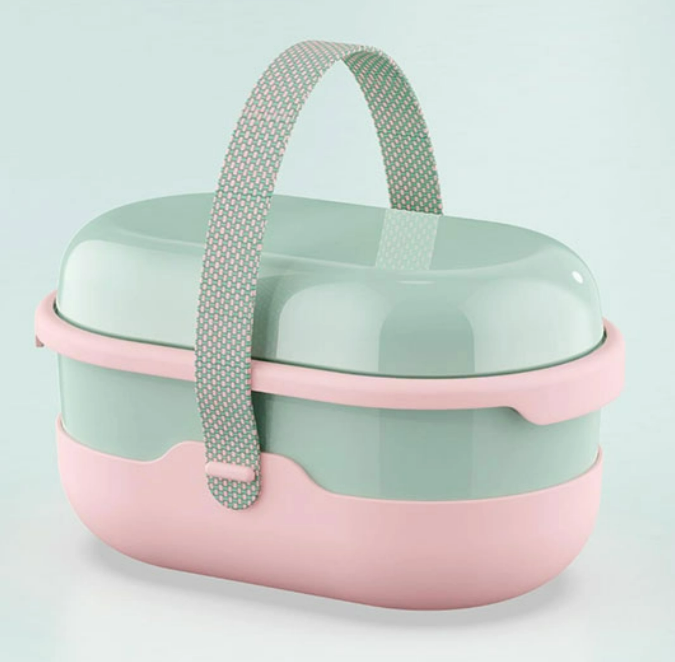
For heavily used lunch boxes, establish a weekly deep cleaning schedule. Include all removable parts and compartments. Hand wash plastic, metal, and insulated components, while machine-washable fabric bags should be cleaned gently. This routine prevents buildup of bacteria and food residues.
A consistent deep clean reduces the need for harsh chemical cleaners. Weekly attention maintains hygiene and ensures lunch boxes remain safe for daily use.
Use a soft-bristle brush or toothbrush to reach crevices. Apply a baking soda and water paste to persistent stains. Gently scrub and rinse thoroughly. For stubborn stains, repeating the process may be necessary.
Targeting problem areas prevents permanent discoloration. Maintaining clean seams and corners is key to avoiding long-term odor and bacterial growth.
Nonporous surfaces can be cleaned with mild disinfectants. Ensure full drying before storage to prevent recurrence. Mold thrives in damp environments, so air-dry thoroughly and inspect for hidden moisture pockets.
Failure to dry completely can undo your cleaning efforts. Mold and mildew compromise food safety and the material of your lunch box, so vigilance is critical.
Use temperature-appropriate water and mild detergents. Avoid abrasive brushes on plastic and metal surfaces. These precautions prevent scratches and preserve insulation, color, and structural integrity.
Proper handling prolongs the life of lunch boxes and maintains hygienic conditions. Over time, gentle care saves money by reducing replacements.
Dry lunch boxes upside down on a dish rack. This ensures that all moisture drains and prevents mold growth. For insulated containers, remove inserts and let airflow reach every compartment.
Air drying is more effective than towel drying, especially in hard-to-reach areas. It also reduces the risk of leftover moisture causing odors or bacterial growth.
Pat dry remaining water with microfiber cloths or paper towels. Focus on seams, corners, and insulated layers. Ensuring complete dryness prevents mold formation and lingering odors.
Combining air drying and patting dry guarantees thorough moisture removal. Insulated boxes especially benefit from this double-drying method.
Store lunch boxes in a cool, dry place away from direct sunlight. Keep compartments open briefly to allow residual moisture to evaporate. Avoid stacking damp containers to prevent bacterial growth.
Correct storage prolongs freshness and maintains the box’s structural integrity. It also reduces the need for frequent deep cleaning.
Wipe down lunch boxes after each use to prevent buildup. A quick clean avoids difficult stains and reduces odor development. Focus on both interior and exterior surfaces.
Daily cleaning builds a strong hygiene habit and prevents the need for intensive weekly scrubbing. It also ensures that every meal is stored safely.
Silicone or plastic liners in multi-compartment boxes simplify cleaning. Liners can be removed, washed separately, and replaced, reducing time spent scrubbing. They also protect the box from stains and moisture.
Using liners increases convenience and encourages consistent cleaning habits. It also keeps compartments hygienic for a longer period.
Teach kids to empty and wipe their own lunch boxes. Making cleaning a family habit promotes responsibility and hygiene awareness. It reduces the burden on parents while reinforcing healthy routines.
Involving children also helps them learn practical skills that last a lifetime. It ensures lunch boxes stay cleaner between deep cleans.
Regularly check seals, lids, and insulation for damage. Worn or broken components can harbor bacteria and reduce effectiveness. Replace damaged parts promptly to maintain hygiene and functionality.
Proactive inspection avoids contamination and ensures safe food storage. It also extends the overall lifespan of the lunch box.
For lingering smells, sprinkle baking soda or wipe interiors with lemon juice or vinegar. Leave overnight for maximum effect. Persistent odors often indicate trapped moisture or food residues that need deeper cleaning.
Combining deodorizing with regular cleaning ensures long-term freshness. Odor management is critical for insulated and fabric boxes.
Soak, scrub, and apply a baking soda paste to tough stains. Use a soft brush to reach crevices. Repeat if necessary to restore cleanliness without damaging surfaces.
This method removes even dried-on food, keeping boxes hygienic and visually appealing. Regular stain management prevents buildup.
Check material-specific guidelines before using machines. Only plastic boxes on top-rack or machine-washable fabric bags should go through machines. Avoid high temperatures for insulated or delicate materials.
Adhering to these rules prevents warping, fading, and insulation damage. Hand washing is safer for most lunch boxes.
Ensure thorough drying and proper storage. Regular inspection of seams, lids, and compartments helps catch damp areas early. Consistent maintenance reduces health risks and keeps boxes fresh.
Regular cleaning keeps lunch boxes safe and fresh. Daily wipes and weekly deep cleans prevent odors and stains.Ningbo Haowu products provide durable, easy-to-clean lunch boxes that simplify maintenance. Their tableware ensures hygiene, long-lasting use, and convenient family mealtime solutions.
A: Wipe your lunch box daily and perform a deep clean weekly. This prevents odors, stains, and bacteria buildup.
A: Use mild soap, warm water, and a soft sponge. Baking soda or vinegar works for tough stains and odors.
A: Yes, lightly spray a disinfecting solution and let it sit. Air dry completely to prevent mold and bacteria.
A: Baking soda, lemon juice, vinegar, and mild dish soap safely clean and deodorize your lunch box.
A: Only check manufacturer instructions. Some plastic boxes are dishwasher-safe; insulated and metal boxes usually need hand washing.
A: Regular cleaning keeps your lunch box hygienic, prevents odors, and extends its lifespan.


