
Views: 0 Author: Site Editor Publish Time: 2025-07-15 Origin: Site


Looking for a lunch box that’s both eco-conscious and practical? It’s a common challenge for today’s consumers—how to enjoy the benefits of a well-insulated, leak-proof lunch box without compromising on sustainability. As people become more aware of their environmental impact, the demand for functional yet eco-friendly solutions has grown significantly. That’s where our guide to eco insulated lunch box tips comes in. At Ningbo Haowu, we help customers and partners discover innovative, green lunchware products that combine eco-responsibility with modern convenience.
In this article, you’ll find smart, actionable guidance on choosing a lunch box that supports both your lifestyle and the planet—without losing the heat or the seal.
When considering an eco-friendly lunch box, the material is the first thing to evaluate. Among the most recommended sustainable options are stainless steel and bamboo composites. Stainless steel is endlessly recyclable, non-toxic, and extremely durable. It doesn’t interact with food, is easy to sanitize, and is built to last for years, making it a favorite in the eco-lifestyle space.
Bamboo fiber composites—especially when blended with cornstarch or rice husks—are another innovative material option. These alternatives are lightweight, biodegradable, and often molded into stylish, functional forms. While not as long-lasting as metal, they offer a renewable, low-impact alternative to conventional plastics.
At Ningbo Haowu, we work with responsible factories to source lunch boxes made from certified bamboo and high-grade stainless steel. These materials represent a meaningful step toward reducing plastic waste without sacrificing usability.
It may be tempting to buy cheaper plastic lunch boxes labeled as “eco,” but many of these still contain fossil fuel-based resins and may release microplastics over time. Additionally, coated aluminum containers often contain layers of plastic or synthetic enamel that are difficult to separate for recycling—and may wear off after repeated use.
For customers serious about sustainability, we recommend steering clear of these materials entirely. Instead, choosing plant-based composites or metal-only containers without inner linings ensures a lower environmental footprint and safer food storage.
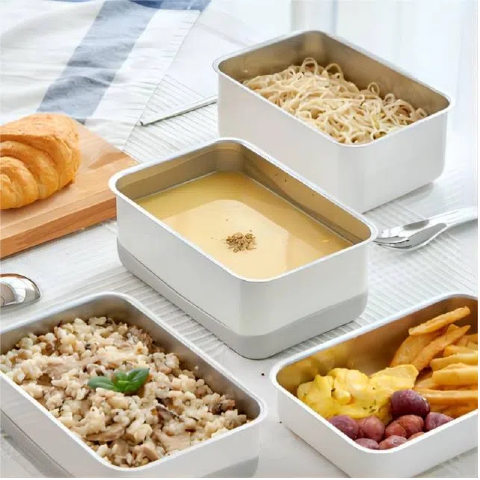
One of the most effective ways to keep food warm over several hours is through vacuum insulation. Stainless steel lunch boxes with double-walled vacuum technology offer excellent thermal retention—no batteries, plugs, or external heating required. The vacuum layer slows heat transfer, maintaining your meal at a satisfying temperature until lunchtime.
This insulation approach is completely passive and energy-free, aligning perfectly with eco-conscious living. It also eliminates the need for disposable heating packs or electric warmers. For customers who want to combine sustainability with serious performance, vacuum-insulated designs are a top recommendation.
Our team at Ningbo Haowu actively sources these high-performance thermal containers from trusted manufacturers who meet global food safety and material standards.
In addition to the container’s own insulation, accessories like padded lunch carriers or thermal wraps can extend temperature control even further. These eco-friendly layers help regulate ambient temperature and minimize heat loss during transport.
Many padded sleeves are now made from recycled PET fabric or natural cotton with insulating padding. They can be reused countless times, are washable, and enhance both functionality and portability. Offering customers lunch box bundles that include thermal carriers helps add value while keeping waste low.
One major concern with reusable lunch boxes is leakage—especially when carrying liquids like soups, curries, or dressings. A sustainable solution comes in the form of food-grade silicone lids. These lids are flexible, durable, and non-toxic. Unlike plastic, silicone does not degrade into harmful microplastics, and it can handle temperature fluctuations without warping.
Silicone also creates a tight seal that locks in moisture and prevents spills. It’s dishwasher safe, reusable for years, and an ideal alternative for eco-focused customers who want reliable performance without synthetic polymers.
When paired with a high-quality stainless steel base, silicone lids offer the perfect balance of safety, sustainability, and function.
The locking mechanism also plays a key role in leak prevention. Snap-lock systems—especially those with 4-point latches—are easy to operate and form a reliable seal when combined with silicone gaskets. They are ideal for adults and older children who pack meals with mixed textures or sauces.
Screw-top lids, on the other hand, provide a more secure seal for round containers but may be less convenient for quick access. From an eco design standpoint, the fewer moving parts, the better—so snap-lock systems are often more sustainable due to easier repair and fewer failure points.
At Ningbo Haowu, we source both types based on customer preferences, with a focus on ease of use, sealing performance, and responsible material use.
Thermal gel packs—when reusable and non-toxic—are a smart addition to any eco insulated lunch box system. While not necessary for every meal, they help maintain temperature for longer durations, especially when paired with an insulated carrier.
Many reusable gel packs are made with biodegradable or recyclable casings and natural refrigerants. These allow for a controlled environment without energy use, extending the range of what your eco-friendly lunch box can carry—from chilled snacks to piping-hot stews.
For eco-focused customers, offering lunch kits that include reusable thermal packs provides a complete, value-added solution.
Traditional Japanese furoshiki wraps—simple cloth wraps made from cotton or linen—offer a stylish and sustainable way to carry lunch boxes. These wraps can double as placemats or napkins, and they eliminate the need for plastic bags.
Thermal sleeves, made from cotton with insulating padding or recycled fabrics, further enhance the lunch box’s performance by maintaining inner temperatures and shielding against environmental fluctuations. These reusable accessories not only boost thermal efficiency but also create a more premium unboxing and everyday user experience.
Offering branded wraps or eco-carriers can also be an opportunity for companies to connect emotionally with environmentally aware customers.
When it comes to choosing a lunch box that aligns with your sustainability goals while delivering on heat retention and leak-proof performance, it’s all about smart material selection and intelligent design. As this guide on eco insulated lunch box tips shows, you don’t have to compromise function for eco-consciousness—or vice versa.
At Ningbo Haowu, we believe sustainability and practicality can go hand in hand. By working closely with reliable manufacturers and material innovators, we bring forward lunch solutions that satisfy the modern consumer’s needs—without harming the planet.
Contact us today to explore our new series of eco-insulated lunch boxes—designed for customers who expect more from what they carry.