
Views: 0 Author: Site Editor Publish Time: 2025-10-17 Origin: Site


Cooking eggs in a stainless steel pan seems tricky. Many fear sticking or burning. This guide shows proper technique, heat control, and fat use. You will learn how to cook eggs perfectly and avoid common problems every time.
Stainless steel cookware is renowned for its even heat distribution and excellent heat retention. These qualities allow eggs and other delicate foods to cook evenly without sudden hot spots that may cause burning. Unlike reactive metals, stainless steel won’t alter the flavor of acidic ingredients such as tomatoes or citrus. Its durability makes it resistant to scratches, dents, and corrosion, which ensures a long-lasting, reliable cooking surface for busy kitchens.
The high-heat tolerance of stainless steel makes it ideal for cooking eggs. Unlike nonstick pans, it allows for proper browning through the Maillard reaction, producing richer flavors and slightly crispy edges. By using appropriate fat and maintaining the right temperature, eggs glide naturally across the pan instead of sticking. This is particularly useful for fried eggs or omelets that require gentle flipping or sliding onto a plate.
Many believe eggs stick to stainless steel due to the pan itself, but sticking is usually caused by technique errors. Preheating and fat management are key; adding eggs to a cold or overheated pan almost guarantees sticking. Understanding that a well-heated pan creates a natural nonstick effect helps demystify the process and builds confidence in cooking eggs on stainless steel.
High-quality stainless steel pans often include an aluminum or copper core sandwiched between layers of steel. This multi-layer construction ensures even heating across the cooking surface and reduces the risk of hot spots. For egg cooking, consistent heat helps maintain uniform texture and prevents parts of the egg from overcooking while others remain underdone.
Preheating is crucial when cooking eggs in a stainless steel pan. Start with medium to medium-high heat and perform a water droplet test: if droplets form beads and glide across the surface, the pan is ready. This effect, known as the Leidenfrost effect, creates a thin layer of air between the egg and the pan, reducing sticking. Avoid rushing this step; patience is essential for consistent results.
The choice of fat impacts both flavor and nonstick performance. Butter, clarified butter, or neutral oils like grapeseed provide a protective layer that prevents sticking. A measured approach works best: roughly 1 tablespoon covers 6–8 eggs. Too little fat increases the risk of sticking, while too much can make eggs greasy.
Fat Type | Smoke Point | Best Use for Eggs |
Butter | 350°F | Rich flavor, lower heat |
Clarified Butter | 485°F | High-heat cooking, prevents burning |
Neutral Oil (Grapeseed, Canola) | 420°F | High-heat fry, non-flavored coating |
Seasoning a stainless steel pan is optional but can create a more forgiving surface for beginners. Proper preheating and fat usage often eliminate the need for seasoning. Experienced cooks frequently skip this step, relying solely on temperature control and fat management to prevent sticking.
A clean, dry pan is essential. Remove water spots, residual oils, or any stuck food from previous use. Avoid abrasive cleaners that can damage the smooth surface. A well-maintained pan ensures better heat distribution and a natural nonstick effect for your eggs.
Begin by preheating your stainless steel pan over medium heat and adding a modest amount of butter or neutral oil. Once the fat shimmers, pour in the beaten eggs, letting them rest undisturbed for 10–15 seconds. This brief pause allows the edges to set slightly, creating a foundation for easy stirring. Gently push the eggs from the outer edges toward the center using a silicone spatula. Repeat this motion slowly and evenly, ensuring the eggs cook uniformly and avoid sticking to the pan. Continue until the eggs are softly set but still moist, providing a tender, creamy texture without overcooking.
Maintaining the right heat is essential for fluffy scrambled eggs. Immediately after adding eggs, reduce the heat to medium-low to prevent a rubbery texture while allowing proteins to set gradually. High heat may cause uneven cooking and sticking, creating browned, dry edges. Using eggs at room temperature helps them cook more evenly, as cold eggs can shock the pan and cause adherence. Stir gently and intermittently to form soft curds while retaining moisture, achieving a consistent, fluffy result every time you cook scrambled eggs in a stainless steel pan.
A common error is adding eggs to a pan that is either too hot or too cold. Overheated pans burn eggs quickly, while underheated ones promote sticking. If eggs stick, add a small splash of fat or reduce heat slightly. Overcooked scrambled eggs can regain creaminess with a tiny amount of milk or cream added mid-cooking. Stirring too aggressively breaks curds, while too little agitation allows eggs to cling to the surface. Adjusting these factors helps maintain soft, creamy eggs that are evenly cooked and visually appealing.
Consistency improves with preparation and controlled technique. Use room-temperature eggs for uniform cooking and stir them with careful timing. Avoid excessive stirring, which can make the eggs watery or break up curds, but also avoid leaving them stagnant, which can result in sticking. Maintaining moderate heat, proper fat coverage, and gentle handling ensures scrambled eggs retain a creamy, tender texture while releasing naturally from the stainless steel pan. Practicing these habits builds confidence and allows precise control over the final outcome.
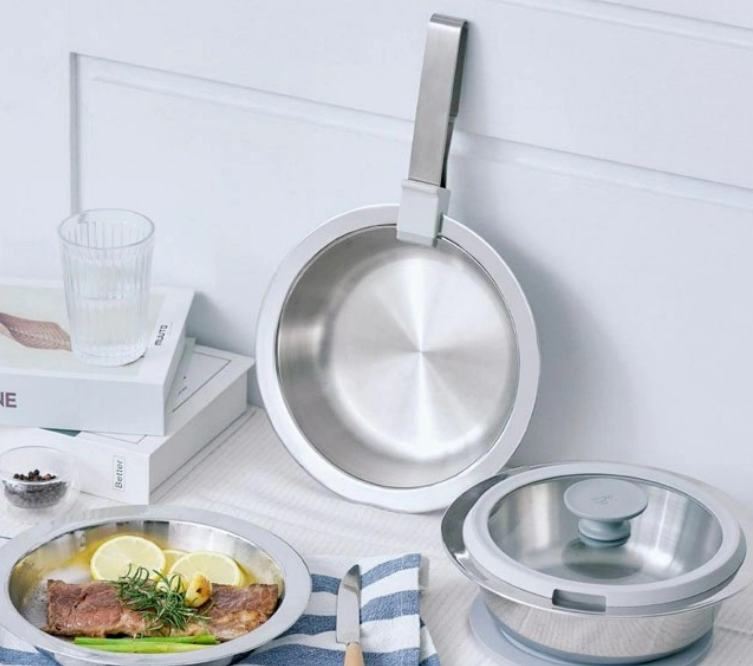
Preheat the stainless steel pan over medium heat and add a thin layer of butter or neutral oil, swirling to coat the surface evenly. Carefully pour in each egg and let it cook without flipping. As the edges begin to firm, tilt the pan slightly and spoon hot fat over the whites to promote even cooking and prevent sticking. This technique results in a bright, intact yolk surrounded by whites with delicately crisped edges, creating a visually appealing and flavorful sunny-side-up egg. Attention to temperature and fat distribution is key to perfect results.
For flipped eggs, wait until the whites are fully set before turning. Use a thin, flexible spatula to lift and gently flip each egg to the other side. Over-easy eggs need only a brief second-side cook to maintain a runny yolk, while over-hard eggs require additional time to fully set the yolk. Precise timing ensures the yolk reaches the desired consistency without tearing or overcooking the whites. Practicing this technique helps create consistently beautiful fried eggs while avoiding adhesion to the pan surface.
To prevent egg whites from spreading too thin, portion each egg into a small bowl or ramekin before adding it to the pan. This technique keeps the cooking area manageable and creates uniform, neatly shaped eggs. Small adjustments, such as gently nudging whites toward the yolk early in cooking, help maintain a compact shape. Controlling the spread also allows for more even heat distribution, ensuring the edges crisp evenly while the center cooks to perfection, creating visually attractive and delicious fried eggs.
Selecting the right fat enhances both flavor and nonstick performance. Butter adds richness, while neutral oils like grapeseed or canola prevent burning. Combining fats can improve browning without sticking. Clarified butter is ideal for higher heat applications, resisting smoke while providing a smooth release from the pan. Proper fat selection not only ensures effortless cooking and flipping but also contributes to the overall taste, making fried eggs golden, flavorful, and easy to serve without scraping or tearing.
If eggs stick, it often indicates incorrect pan temperature or insufficient fat. Using the “hot pan, cold oil” method creates a thin protective layer between the eggs and the surface. Adjust heat gradually to maintain an even cooking environment. Patience is important; allowing eggs to cook for a few seconds before moving them ensures they release naturally once set. Understanding how temperature, fat, and timing interact prevents adhesion and leads to smoother, more controlled egg preparation.
Overcooked eggs lose their tenderness and develop a rubbery texture. A simple steam rescue—adding a small amount of water or broth—can reintroduce moisture to scrambled eggs. Pre-adding a small splash of milk or cream also helps maintain a creamy texture while cooking. Monitoring heat closely and removing the pan from the stove slightly before the eggs reach full doneness leverages residual heat to finish cooking gently, preventing overcooking and sticking while ensuring soft, flavorful eggs.
Uneven cooking occurs when heat distribution is inconsistent or the pan is mismatched to the burner. Using multi-layer stainless steel pans with aluminum or copper cores reduces hot spots and promotes uniform cooking. Ensuring the pan sits flat on the burner and selecting the right heat level minimizes overcooked edges and undercooked centers. Regular attention to pan placement and heat control guarantees even results, producing eggs that are consistently cooked throughout and visually appealing on the plate.
Aging pans may develop surface imperfections that slightly reduce their natural nonstick performance. Compensate by using slightly more fat and handling eggs gently. Avoid rapid stirring or scraping, which can worsen sticking. Even older stainless steel pans remain effective for cooking eggs with proper technique, making minor adjustments in temperature and fat usage sufficient to maintain consistent, high-quality results despite wear.
Routine cleaning preserves pan performance. Wash with warm soapy water and a soft sponge to remove residues. For stubborn egg bits, a combination of vinegar and baking soda works effectively without damaging the pan. Avoid abrasive pads or harsh chemicals that can scratch or dull the surface, as smooth, intact stainless steel is critical for preventing future sticking.
Persistent discoloration or heat marks respond well to gentle treatment. Make a paste from baking soda and water or use a mild vinegar solution, letting it sit for a few minutes before scrubbing lightly. This restores the pan’s appearance and cooking surface while preventing scratches or degradation. Regular stain management extends the lifespan of your stainless steel cookware and ensures reliable egg preparation.
Avoid cooking sprays that leave a residue difficult to remove. Store pans with protective layers between stacked surfaces to prevent scratching. Using non-metal utensils prevents damage to the cooking surface. Consistent care, along with proper storage and gentle handling, ensures that the pan maintains its performance and provides reliable nonstick capability for years.
Replace your stainless steel pan if severe warping, deep pitting, or irreparable discoloration occurs. Even minor damage can affect heat distribution and egg release. Maintaining a smooth, even surface is essential for consistent cooking, making timely replacement critical for achieving perfect scrambled or fried eggs.
Omelets require gentle stovetop cooking and careful folding to avoid tearing. Frittatas benefit from an oven finish, which evenly sets the eggs without sticking. Using the right fat and moderate heat ensures smooth, tender textures for these more advanced egg preparations.
Combining butter with a neutral oil enhances browning while preventing sticking. Clarified butter excels at high-heat cooking, resisting smoke and ensuring a smooth release from the pan. Experimenting with different fat ratios can optimize both taste and performance for various egg dishes.
Observe subtle cues such as sizzle intensity, bubble formation, and sheen of fat to gauge readiness. Adjust heat during cooking to maintain even doneness, particularly for delicate eggs. Developing this awareness improves consistency and reduces sticking.
Mastery comes with repetition. Watch how your pan reacts, refine temperature control, and experiment with fat types. Over time, you’ll develop confidence and precision, producing consistently perfect scrambled, fried, or folded eggs while fully leveraging the benefits of stainless steel cookware.
Cooking eggs in a stainless steel pan is simple with the right technique. Preheating, proper fat, and temperature control prevent sticking. Ningbo Haowu’s durable pans offer even heat and long-lasting performance. Their kitchenware ensures perfectly cooked eggs every time, enhancing your cooking experience.
A: Preheat the stainless steel pan, add a small amount of fat, and let eggs cook gently. Use medium-low heat and room-temperature eggs to fry egg without sticking.
A: Butter, clarified butter, or neutral oils work best. Proper fat choice helps prevent egg sticking pan and enhances flavor.
A: Sticking usually occurs due to incorrect temperature or insufficient fat. Follow stainless steel egg cooking tips like preheating and proper fat use.
A: Yes, preheat the pan, add fat, pour beaten eggs, and stir gently. This method ensures even cooking and prevents sticking.
A: Use medium heat, add a thin layer of fat, and pour eggs gently. Spoon hot fat over whites to cook evenly and prevent sticking.
A: Stainless steel pans last longer, handle high heat, and create better flavor through browning. Proper technique prevents sticking.
A: Increase fat slightly and handle eggs gently. Using hot pan, cold oil technique helps prevent egg sticking pan.
A: Seasoning is optional. Proper preheating and fat can fry egg without sticking without additional seasoning.
A: Using too hot or cold pan, overcooking, or insufficient fat. Following stainless steel egg cooking tips avoids sticking and uneven texture.
A: Use warm soapy water and soft sponge. For stuck eggs, a vinegar or baking soda solution removes residue without damaging the pan.


