
Views: 0 Author: Site Editor Publish Time: 2025-10-17 Origin: Site


Stainless steel pans are durable and versatile. Many cooks ask, are they dishwasher safe? This guide explains safe dishwashing, cleaning tips, and how to keep your stainless steel pan lasting longer.
Stainless steel pans are primarily composed of chromium and nickel alloys, which provide corrosion resistance and prevent rust. High-quality grades such as 18/10 or 18/8 maintain shine even under repeated use. In contrast, 18/0 pans contain no nickel and are sometimes less durable, but they are fully dishwasher safe due to their corrosion-resistant properties. Thickness also plays a role; thicker pans distribute heat evenly and resist warping. Choosing the right grade ensures long-term performance, whether handwashing or using a dishwasher.
Not all stainless steel pans are created equal, but many feature surfaces resistant to detergents and high temperatures. These pans can handle repeated dishwasher cycles without losing luster or functionality. The non-reactive surface prevents pitting and maintains smoothness longer than other cookware materials. Manufacturers often test pans under dishwasher conditions to verify durability, so looking for labeled “dishwasher safe” pans can provide peace of mind.
Dishwasher safety is influenced by pan quality, finish, and exposure to acidic foods. Nonstick coatings or specialty finishes may degrade in strong detergents. Low-quality pans may warp or lose shine after repeated cycles. Acidic residues from tomatoes, citrus, or vinegar can accelerate corrosion if not rinsed properly. Additionally, metal-to-metal contact in a dishwasher may cause discoloration. Recognizing these factors helps decide whether your stainless steel pan can be safely cleaned in a dishwasher or should be hand washed.
Thin or low-quality pans are vulnerable to warping and losing their shine. Lightweight pans often use alloys that contain less chromium, making them less resistant to heat and detergent exposure. You can identify such pans by checking weight, price, or magnetic responsiveness; a pan that attracts a magnet may contain lower-quality steel. These pans should be hand washed to preserve their structure and appearance.
Stainless steel pans with nonstick or specialty finishes may react poorly to dishwasher detergents. Repeated exposure can reduce nonstick effectiveness and create difficult-to-remove stains. To protect these coatings, hand washing with a soft sponge and mild detergent is preferable. Avoid scrubbing pads or harsh chemicals that can scratch the surface and compromise the pan’s integrity.
Mixing stainless steel with other metals in the dishwasher can cause discoloration or embedding. Metals like aluminum or copper can react with detergents, leaving marks on stainless surfaces. Best practice is to load stainless steel pans separately or ensure no direct metal contact occurs during the cycle. This simple step reduces risk of aesthetic and structural damage.
Acidic food residues accelerate corrosion in stainless steel pans. Tomatoes, vinegar, and citrus products may cause subtle pitting if left on the pan during dishwasher cycles. Pre-rinsing before placing the pan in a dishwasher removes most acidic compounds and reduces potential damage. Ensuring food debris is cleared is essential for safe dishwasher use.
Removing solid food debris is crucial before dishwashing. Scraping minimizes residue that can clog the dishwasher or leave stains. Pre-rinsing also ensures detergents can work effectively on remaining grease or stuck-on food. This practice reduces the need for harsh cleaning chemicals and improves overall cleanliness.
Placement affects cleaning efficiency and pan longevity. Larger pans should go on the bottom rack, tilted if possible to prevent water pooling. Smaller items or delicate pans are safer on the top rack. Avoid stacking pans directly on top of each other to prevent scratches or uneven cleaning. Proper orientation ensures thorough washing without risking damage.
Mild detergents are preferred for stainless steel pans to prevent surface corrosion. Avoid strong, abrasive detergents that can strip the protective oxide layer. Use a cycle designed for pots and pans or select a longer wash for heavily soiled cookware. These methods preserve the pan’s shine while ensuring hygienic cleaning.
Immediate drying prevents water spots and streaks. Toweling pans with microfiber or cotton cloths preserves their reflective finish. Air drying is acceptable but may leave mineral deposits depending on water hardness. For best results, combine both methods to maintain appearance and hygiene.
Best Dishwasher Practices | Tips |
Scrape debris | Prevent clogging and stains |
Placement | Top rack for delicate, bottom for heavy pans |
Detergent | Use mild or stainless-safe tablets |
Drying | Towel dry immediately to prevent spots |
Hand washing stainless steel pans begins with warm water and a mild detergent to gently lift grease and food residue. Using a soft sponge, scrub in small circular motions, paying attention to edges and corners where food often accumulates. This method prevents scratching the surface, especially on high-quality 18/10 stainless steel or pans with specialty finishes. Hand washing also allows close inspection for early signs of discoloration, warping, or minor corrosion, enabling you to address small issues before they worsen. A consistent routine ensures your pans retain both functionality and aesthetic appeal over time.
For baked-on or stubborn stains, make a paste using baking soda and water, apply it evenly, and allow it to sit for several minutes. Then gently scrub with a soft sponge, avoiding aggressive abrasives that can damage the pan’s surface. Soaking the pan in hot water beforehand loosens tough residues, reducing scrubbing effort and preserving the metal’s integrity. These methods restore shine and clean efficiently without risking the pan’s protective chromium layer. For exceptionally tough discoloration, repeating the soak-and-scrub process can achieve optimal results while maintaining a smooth, reflective finish.
Many cooks unknowingly damage stainless steel by using bleach, steel wool, or strong chemical cleaners, which can corrode or scratch the surface. Scrubbing against the grain or applying excessive pressure creates fine scratches that dull the pan over time. Patience and using the right tools are critical to maintaining a long-lasting, reflective surface. Regular inspection ensures early detection of minor scratches or discoloration, which can be mitigated before they spread. Following gentle cleaning practices guarantees that your stainless steel pans remain visually appealing and functional for years.
Maintaining a polished finish involves applying a thin layer of olive or mineral oil to the cooled pan, which protects against staining and enhances shine. Buffing the surface with a microfiber cloth removes water spots and maintains a mirror-like luster. Regular polishing combined with proper drying and storage prevents tarnishing, preserving both appearance and performance. Over time, this routine prevents dulling, uneven coloration, or minor corrosion, ensuring that your pans continue to look professional while performing reliably during everyday cooking.
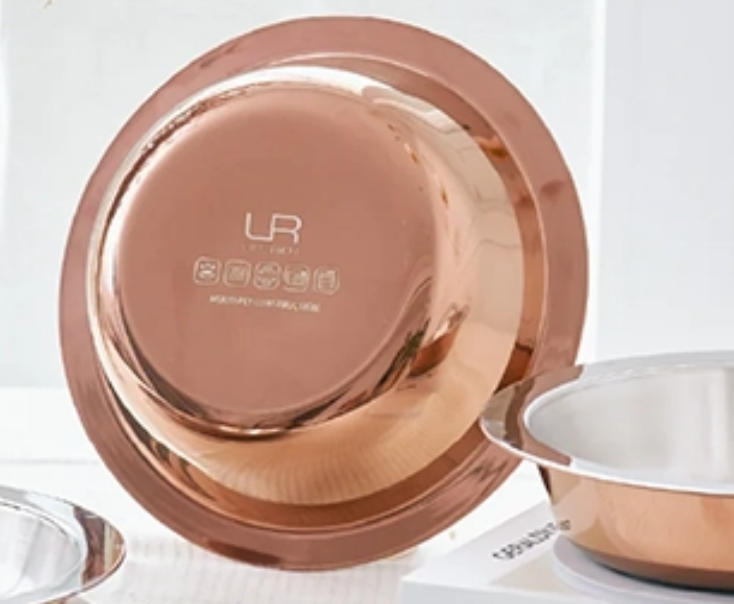
Excessive dishwasher use exposes stainless steel pans to intense heat, strong water jets, and high-pressure cycles, which can warp thin or low-quality pans. Warped pans cook unevenly and may wobble on stovetops, posing safety concerns. Even high-quality pans are susceptible if exposed frequently to extreme dishwasher conditions. Evaluating pan thickness, construction quality, and material composition helps determine how often it can safely be dishwashed. Understanding these risks allows cooks to balance convenience with the preservation of the pan’s structural integrity.
Rainbow or blotchy stains often appear after repeated dishwasher cycles due to chemical reactions between detergents and stainless steel surfaces. While primarily cosmetic, these stains make cookware look aged or neglected, affecting presentation. Proper detergent selection, washing cycle moderation, and immediate drying help minimize discoloration. In addition, pre-rinsing acidic or heavily soiled pans reduces chemical interactions that can accelerate staining, ensuring the pan retains its polished appearance over time. Regular observation and care mitigate visible damage from repeated dishwasher use.
Harsh detergents or repeated high-heat washing can gradually strip the protective chromium oxide layer on stainless steel pans, resulting in corrosion or pitting. This deterioration, while slow, is irreversible and reduces both lifespan and aesthetic quality. Avoiding aggressive chemical cleaners and ensuring complete drying after washing are essential steps to prevent long-term damage. High-quality stainless steel pans are more resistant but still benefit from careful handling, including occasional hand washing to preserve their surface and prevent micro-damage that can worsen over time.
Dishwashers save time, especially in busy kitchens, allowing multiple pans to be cleaned simultaneously with minimal effort. For everyday use with moderately soiled cookware, this method is highly practical and energy-efficient. The dishwasher is ideal for large households or commercial kitchens where time and convenience outweigh minor aesthetic concerns. Correct loading, detergent choice, and cycle selection optimize results while protecting pan integrity, making it an effective solution for routine cleaning.
Hand washing offers superior protection of the pan’s finish and structural integrity. Although slightly more labor-intensive, it reduces exposure to harsh detergents, high heat, and abrasive water jets. Premium stainless steel pans benefit most from hand washing, preserving surface shine, preventing pitting, and maintaining even heat distribution. By alternating dishwashing and hand washing, cooks can enjoy convenience without sacrificing long-term performance or appearance. Proper care extends the lifespan of the pan, ensuring it remains both functional and visually appealing.
Deciding between dishwashing and hand washing depends on pan quality, coating type, and usage frequency. High-quality, uncoated stainless steel pans tolerate dishwashing well, while delicate, thin, or coated pans perform better with hand washing. Understanding the material’s limitations allows users to balance convenience with durability. Strategic selection of cleaning method based on these factors ensures efficient maintenance while avoiding long-term damage, maintaining both aesthetic and functional quality over years of regular use.
Repeated dishwasher use can cause rainbow stains, minor corrosion, or warping in lower-quality pans, demonstrating the importance of quality assessment before automated cleaning. Conversely, hand washing mitigates these issues, restoring shine and maintaining pan integrity. Observing these real-world outcomes helps kitchens implement safer cleaning practices, preventing damage and extending the functional lifespan of stainless steel cookware. Maintaining proper cleaning protocols ensures that pans perform optimally while retaining their polished appearance.
Immediate rinsing and thorough drying after each use prevent food residue from causing discoloration, pitting, or corrosion. Wiping down the pan with a soft cloth removes moisture and prevents mineral deposits. Consistent cleaning routines simplify maintenance and reduce long-term costs associated with repair or replacement. Establishing these habits ensures pans remain hygienic, shiny, and fully functional for daily use.
Allow pans to cool before washing to prevent warping caused by sudden temperature changes. Thermal shock can distort pan shape and affect heat distribution during cooking. Gradually reducing temperature protects metal structure, preserving the pan’s integrity and cooking performance. Mindful handling after high-heat cooking enhances both lifespan and safety.
Avoid stacking pans directly on top of each other to prevent scratches and surface damage. Use pan protectors, cloth liners, or separators to maintain smooth surfaces. Proper storage preserves finish and prevents minor deformation from accidental knocks. Well-organized storage also reduces handling damage and ensures the pans are ready for optimal cooking performance.
Regular inspection for scratches, discoloration, corrosion, or warping allows early intervention. Once damage is noticed, switch to hand washing or consider retiring the pan if severe. Monitoring pan condition ensures safety, maintains cooking quality, and prolongs lifespan. Proactive care prevents minor issues from escalating into permanent damage, keeping stainless steel pans functional and aesthetically pleasing.
Most stainless steel pans are dishwasher safe with proper care. Pre-rinsing, gentle detergents, and correct placement preserve shine and performance. Hand washing suits delicate or coated pans. Ningbo Haowu offers high-quality cookware that combines durability and ease of cleaning, ensuring long-lasting value for your kitchen.
A: Most stainless steel pans are dishwasher safe, but following safe dishwasher practices for stainless steel pans preserves shine and prevents damage.
A: Scrape food debris, place pans properly, use mild detergent, and follow stainless steel pan dishwasher cleaning tips for best results.
A: Only high-quality, uncoated pans are suitable. Nonstick or thin pans may warp or discolor. Choose best dishwasher safe stainless steel cookware.
A: Hand washing prevents corrosion, scratches, and staining on delicate or coated pans, ensuring long-lasting performance.
A: Dishwashing saves time and effort while maintaining cleanliness when proper techniques and detergents are applied.


