
Views: 0 Author: Site Editor Publish Time: 2025-10-15 Origin: Site


Many home cooks ask if a stainless steel pan can go in the oven, and the answer is yes, but only with proper care. Understanding the material, temperature limits, and safe usage is essential to prevent warping, discoloration, or food reaction. Using an oven-safe pan opens up versatile cooking options, letting you sear, roast, or bake without transferring food to another dish. In this article, you will learn how to use your pan safely, explore oven cooking tips, and discover maintenance practices to preserve your cookware’s longevity while achieving consistent results.
Before using any stainless steel pan in the oven, you must know what makes it safe. Not all pans can handle high heat, and using the wrong type may damage your cookware or affect food quality. Material composition, handle design, and cladding play key roles in determining oven safety. Recognizing these factors helps you avoid common mistakes and allows you to use your pan across a wide range of cooking techniques without compromising performance.
Oven-safe stainless steel is generally an alloy of chromium and nickel. This composition ensures high durability and excellent resistance to heat and corrosion. It also prevents unwanted reactions with acidic or alkaline foods, which could alter flavor or safety. High-quality stainless steel remains stable under prolonged exposure to oven heat, making it suitable for both professional and home kitchens. Understanding how to use stainless steel pan in oven safely starts with recognizing its material properties and heat resilience.
Look for 18/10 or 304 stainless steel, as these grades offer superior corrosion resistance and excellent heat tolerance. They maintain their shape and finish even after repeated exposure to oven temperatures up to 600°F. Lower-quality metals can warp, discolor, or react with foods at high temperatures, reducing cooking efficiency and pan lifespan. Choosing the right grade ensures you can safely sear, roast, and bake without worrying about cookware failure.
Cladded pans, bonded with aluminum or copper layers, enhance heat distribution and prevent hot spots that may burn food. Multi-layer construction improves durability and allows the pan to withstand high oven temperatures without warping. It also improves cooking consistency, ensuring even browning and roasting. Investing in cladded stainless steel pans guarantees professional-level performance whether you’re preparing weeknight meals or large dinner parties.
Check for oven-safe symbols or manufacturer instructions stamped on the pan’s base or handle. If symbols are missing, consult the guide or official website for confirmation. Avoid assuming all stainless steel pans are oven-safe, as improper usage can lead to damage or food safety issues. Knowing your pan’s capabilities helps prevent mistakes and maximizes versatility in both stovetop and oven cooking.
Table: Common Oven-Safe Stainless Steel Pan Indicators
Feature | Oven-Safe Indicator | Notes |
Material | 18/10 or 304 stainless steel | Resists high heat and corrosion |
Handle | Stainless steel or riveted metal | Avoid plastic or wood |
Lid | Tempered glass or metal | Must specify oven-safe |
Symbol | Oven icon or “Oven-Safe” | Usually on bottom of pan |
Even high-quality pans can fail if parts like handles or lids are not heat-resistant. Recognizing these limitations is crucial to maintaining safety and ensuring consistent cooking outcomes. Assessing your pan carefully before oven use allows you to avoid warping, discoloration, or melted components, protecting both food quality and cookware longevity. Following a few verification steps ensures your pan performs optimally under high heat.
Avoid pans with plastic, silicone, or wooden handles, as they may melt or emit odors when exposed to high oven temperatures. Glass lids can often be used, but check manufacturer labels to ensure they are rated for oven use. Even high-quality stainless steel pans become unsafe if handles or lids are not designed for heat. Always verify stainless steel pans in oven precautions before transferring food from stove to oven.
Most stainless steel pans can handle 400°F–600°F, though specific limits vary by manufacturer. Exceeding these temperatures can cause permanent damage, including discoloration or structural weakening. Understanding the max oven temperature for stainless steel pans is critical for safe cooking. Keeping within recommended limits ensures your pan performs consistently and avoids costly replacements.
If you are unsure about your pan’s oven safety, test it at 350°F for a short duration. Observe for signs of warping, discoloration, or handle stress. Gradual testing helps avoid permanent damage and provides confidence in daily oven use. This method is especially useful for older pans or products without clear manufacturer instructions.
Do not place pans with nonstick coatings or decorative finishes in the oven unless explicitly labeled as safe. Excessive heat can degrade coatings, releasing harmful fumes or causing peeling. Opt for bare stainless steel or proven oven-safe coatings to maintain food safety and cooking efficiency.
When used correctly, stainless steel pans in oven unlock numerous advantages that simplify cooking and improve results. These benefits make stainless steel an essential choice for home cooks and professionals alike, combining performance, versatility, and durability in one piece of cookware.
Start by searing meats or sautéing vegetables on the stovetop, then transfer directly to the oven. This eliminates extra cleanup and preserves flavor. Pan versatility allows you to prepare complex dishes without switching cookware. Recipes that require both high-heat searing and oven finishing benefit greatly from this dual functionality.
Cladded stainless steel pans distribute heat uniformly, preventing hot spots and ensuring even cooking. Consistent heat improves browning, roasting, and baking, resulting in dishes with perfect texture and appearance. Even heat distribution also minimizes overcooking, saving time and ingredients during meal preparation.
Stainless steel resists warping, chipping, and corrosion. With proper care, it remains reliable for decades, maintaining performance even under repeated high-heat use. Unlike coated pans, stainless steel maintains its integrity and requires minimal maintenance, making it a smart long-term investment.
From braising to roasting, the pan performs across multiple cooking techniques. Chefs prefer stainless steel for its ability to handle high-heat finishing in the oven without sacrificing quality. This versatility allows for one-pan meals, oven-baked side dishes, and stovetop-to-oven recipes with confidence.
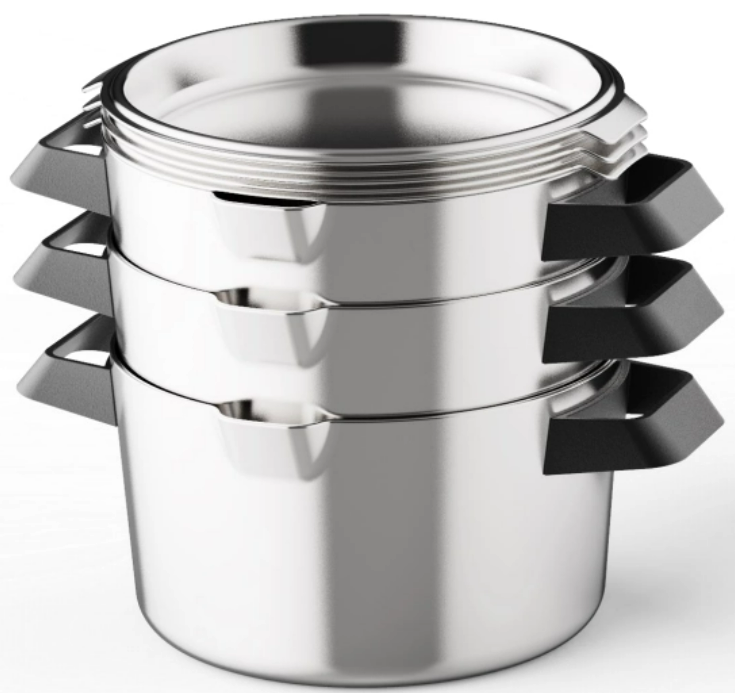
Following safe usage ensures longevity and consistent cooking outcomes, while reducing the risk of accidents. Adhering to proper preheating, handling, and cleaning practices protects both your cookware and yourself in the kitchen.
Preheat the oven gradually to avoid thermal shock, which can warp or discolor the pan. Sudden temperature changes can stress the metal and shorten its lifespan. Begin with moderate heat when unsure of your pan’s limits, then gradually increase to the desired cooking temperature.
Oven mitts or heat-resistant gloves are essential when transferring pans. Stainless steel retains heat longer than most materials, making handles extremely hot even after removal. Proper protective gear prevents burns and allows safe handling during busy cooking sessions.
Do not immerse hot pans in cold water, as rapid cooling can warp metal and damage the surface. Allow pans to cool naturally before cleaning. This practice preserves the pan’s structure and ensures it maintains its reflective finish over time.
Clean with warm water, mild detergent, and soft sponges. Avoid abrasive products that scratch or dull the surface. Regular polishing prevents discoloration from high-heat use, keeping the pan looking and performing like new. Proper maintenance also ensures safety and longevity.
Even experienced cooks make mistakes that shorten cookware life. Awareness and proper handling prevent accidents, preserve pan performance, and improve cooking results.
Exceeding recommended temperatures can discolor metal and weaken its structure. Always monitor oven settings to prevent long-term damage. This precaution is essential for both home and professional kitchens to maintain cookware integrity.
Plastic, silicone, or wooden handles may melt, emit fumes, or degrade. Solid stainless steel or riveted handles ensure safety during high-heat oven use. Confirm handle material before placing the pan in the oven.
Stainless steel retains heat longer than other materials, posing burn risks even after removal from the oven. Handle with care and allow adequate cooling time before storage or cleaning.
Avoid bleach, steel wool, or strong detergents. Use cleaners specifically designed for stainless steel to maintain the pan’s finish and structural integrity. Harsh chemicals can corrode or weaken the surface, shortening the pan’s lifespan.
Understanding how stainless steel differs from other materials helps you choose the right pan for each dish. Material properties, heat retention, and maintenance requirements affect performance and suitability.
Cast iron retains heat longer but requires seasoning and careful maintenance. Stainless steel heats faster and is easier to maintain, providing more versatility for everyday and high-heat cooking. Both are excellent for oven use, but each has specialized benefits.
Nonstick coatings simplify cleanup but limit oven temperatures and high-heat applications. Stainless steel allows higher temperatures and superior searing, making it ideal for professional recipes or oven finishing. It is also more durable under repeated use.
Aluminum heats quickly but may warp under high temperatures. Stainless steel provides durability, even heat distribution, and better long-term performance, especially in professional kitchens or high-frequency home use.
Select stainless steel for browning, roasting, and recipes that start on the stove and finish in the oven. Cast iron is perfect for slow-cooked braises or recipes requiring heat retention. Nonstick pans are suitable for delicate baking or quick meals with minimal cleanup.
Oven-Safe Pan Comparison
Material | Heat Retention | Maintenance | Oven Safety | Best For |
Stainless Steel | Medium | Low | High | Searing, roasting, baking |
Cast Iron | High | High | High | Slow-cooking, braises |
Nonstick | Medium | Low | Moderate | Delicate baking, easy cleanup |
Aluminum | Low | Medium | Moderate | Quick cooking, lightweight |
Using an oven-safe stainless steel pan significantly broadens your cooking possibilities while simplifying meal preparation. Its versatility allows chefs to sear, roast, bake, and even broil without switching cookware, saving time and maintaining consistent flavor. This adaptability also reduces cleanup, making it ideal for both home kitchens and professional settings. By using one reliable pan, you can execute complex recipes efficiently and achieve restaurant-quality results at home.
Steaks, chicken thighs, pork chops, and other proteins benefit greatly from a stovetop sear followed by oven finishing. This technique locks in juices, creates a flavorful crust, and ensures even cooking throughout. The pan’s ability to transition directly from stovetop to oven eliminates extra dishes and maintains a clean presentation. It also allows precise temperature control, giving home cooks and professionals alike the ability to achieve perfectly browned, tender, and juicy results.
Frittatas, pasta bakes, roasted vegetables, and layered dishes cook entirely in a single stainless steel pan. This approach maximizes flavor layering while minimizing cleanup and dish handling. One-pan meals are particularly effective for weeknight cooking or busy kitchens where efficiency matters. They allow consistent heat transfer and even cooking across ingredients, ensuring each component reaches its ideal texture and flavor without the need to transfer to multiple vessels.
Small casseroles, baked fish, and side dishes benefit from the uniform heat distribution of cladded stainless steel pans. The even temperature helps achieve consistent browning and prevents overcooked or undercooked areas. Oven-safe stainless steel expands the types of dishes you can bake or roast without needing additional bakeware. It ensures that meals retain moisture and flavor while producing professional-quality texture and appearance, making it a reliable choice for daily and special-occasion cooking.
Certain stainless steel pans can tolerate broiler temperatures, allowing high-heat applications like caramelizing vegetables or crisping meats. Always verify the max oven temperature for stainless steel pans to prevent warping or discoloration. Broiling in a stainless steel pan creates flavorful crusts and crisp textures while retaining juiciness. This makes it an excellent option for advanced cooking techniques, giving chefs more control over the final outcome while minimizing the number of pans used.
Selecting the right stainless steel pan ensures safety, efficiency, and long-term performance. High-quality pans provide consistent heat distribution, professional-level versatility, and durability across a wide range of recipes. Investing in proper cookware allows seamless stovetop-to-oven cooking while preventing damage or performance loss over time. Careful selection and maintenance directly impact cooking quality, safety, and the lifespan of the pan.
Opt for tri-ply or fully clad stainless steel pans with solid riveted handles to ensure durability and even heat transfer. Confirm manufacturer-rated oven temperature limits before use, as high-quality construction prevents warping and improves performance. These pans allow safe transitions from stovetop searing to oven roasting or baking. Additional features like ergonomic handles, sturdy lids, and bonded layers enhance usability and long-term reliability in both home and professional kitchens.
Choosing the appropriate pan size and depth improves cooking efficiency and versatility. Mid-sized pans (10–12 inches) suit most everyday meals, while deeper pans handle roasts, baked pastas, and layered dishes. Correct sizing ensures even heat distribution, easier handling, and optimized oven space. Using a pan that matches your recipe’s volume prevents overcrowding, guarantees better browning and roasting, and improves overall cooking outcomes without compromising texture or flavor.
Store pans carefully to prevent scratches, dents, or warping. Stack them with protective liners or hang them individually to maintain shape and finish. Avoid piling heavy cookware on delicate surfaces, as excessive weight can cause permanent damage. Proper storage preserves both aesthetic and functional qualities, ensuring your stainless steel pan maintains consistent performance over years of use, even with frequent stovetop and oven applications.
Regularly polish stainless steel pans to restore their reflective finish and remove discoloration caused by high heat. Clean with mild, stainless-safe products and avoid abrasive materials that can scratch or weaken the surface. Proper maintenance protects the pan’s structural integrity, extends its lifespan, and maintains professional-level cooking performance. With careful care, your pan remains versatile, durable, and visually appealing, making it a reliable workhorse in any kitchen.
High-quality stainless steel pans can safely go in the oven. Proper handling and understanding temperature limits ensure long-lasting performance. Following these guidelines allows seamless stovetop-to-oven cooking with consistent results. Ningbo Haowu offers durable, versatile cookware that supports efficient cooking, helping chefs achieve professional-quality meals while maintaining cookware longevity.
A: Yes, a stainless steel pan can go in the oven if it is high-quality and oven-safe. Always check max oven temperature for stainless steel pans.
A: Preheat gradually, avoid plastic or wooden handles, and use oven mitts. Follow manufacturer guidelines for safe stovetop-to-oven cooking.
A: Avoid thermal shock, do not exceed temperature limits, and remove glass lids if necessary to prevent warping or discoloration.
A: Stainless steel pans provide even heat distribution, durability, and versatility, ideal for searing, roasting, and baking in one pan.
A: No, check each pan’s material and manufacturer rating. Some pans tolerate higher temperatures, while others require caution at 400°F–600°F.


