
Views: 0 Author: Site Editor Publish Time: 2025-07-15 Origin: Site


Confused about which lunch box is right for your needs? With so many shapes, sizes, and features on the market, finding the ideal lunch box can feel overwhelming. But choosing the right one isn’t just about looks—it’s about functionality, material safety, practicality, and suitability to your lifestyle. Whether you're packing lunch for office work, your child’s school day, or weekend trips, the right container can make meals more enjoyable and convenient. At Ningbo Haowu, we help customers make smarter product choices with our years of sourcing and product development experience. This guide will walk you through the key points of lunch box selection so you can confidently choose a product that fits your daily routine and personal preferences.
The first step to selecting the right lunch box is understanding how and where it will be used. One size doesn't fit all, and different environments come with different needs.
Lunch boxes for office use often require a sleek, professional design that’s easy to carry in a work bag. Adults usually prefer containers that look clean and simple, with one or two compartments and a leak-proof seal. School lunch boxes, on the other hand, must be lightweight, easy to open, and often more colorful or playful to appeal to children. They should be able to handle drops and rough use, making durability a top priority.
For travel or outdoor activities, lunch boxes need to be more rugged, with strong seals and possibly stackable compartments for multiple meals. Lightweight construction and carry handles are also valuable when you’re on the go.
Ask yourself: Will I need to microwave my food? If so, you’ll want a microwave-safe material like specific types of plastic or glass. Stainless steel is not microwave-safe, though it’s durable and good for cold items or dry foods.
If you’re packing soups, curries, or dishes with sauces, leak-proof designs with high-quality silicone seals are essential. For children, leak resistance is especially important to avoid messy school bags. Lastly, durability is a factor for both kids and adults—sturdy containers last longer, travel better, and can withstand everyday handling.
Different lunch box materials offer different benefits and drawbacks. Choosing the right one is a balance between safety, convenience, and personal preference.
Plastic lunch boxes are among the most popular options due to their light weight, affordability, and wide variety of styles. Many plastic boxes are microwave-safe and dishwasher-safe, making them easy to use and clean. However, it’s important to choose BPA-free and food-grade plastic to ensure no harmful chemicals leach into your food.
Plastic can also absorb odors and stains over time, especially from oily or spicy foods. If you're choosing plastic, look for models with odor-resistant technology or replace them more frequently.
Stainless steel lunch boxes are ideal for those who want a durable, eco-friendly solution. They resist impact, don’t retain odors, and are often stylish in appearance. Best of all, they are fully recyclable and have a long lifespan.
However, stainless steel is generally heavier than plastic and cannot be used in a microwave. If your meal needs heating, you’ll need to transfer it to a different dish. Despite this, many adults prefer the clean, polished look and robustness of stainless steel containers.
Glass containers offer the best visibility and microwave compatibility, making them great for office use. They don’t absorb smells, they’re easy to clean, and they give you the option to cook or reheat directly in the container.
However, glass is heavier and more fragile, making it less ideal for children or on-the-go scenarios. Many modern glass lunch boxes come with silicone or plastic outer shells to protect against cracks, so if you choose glass, consider a model with protective features.
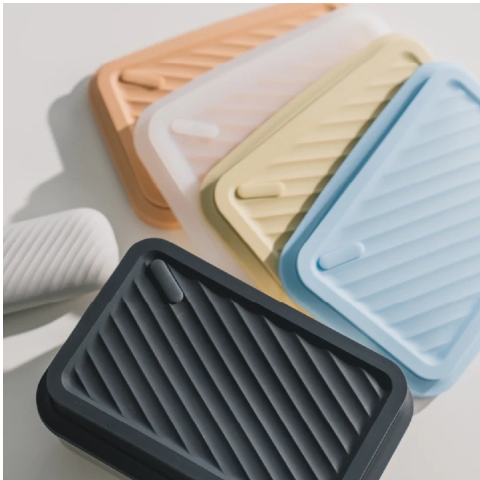
A great lunch box isn’t just about materials or size—it’s about functionality. Consider the features that matter most to you and your daily routine.
Compartments are essential for separating different parts of a meal—especially if you don’t want your salad to mix with your pasta. Some lunch boxes come with two to three built-in compartments, while others offer modular inserts that can be rearranged or removed.
For adult users, fewer but larger compartments might be ideal for portioned meals. For kids or picky eaters, multiple sections help encourage variety and prevent food mixing.
While this article focuses on selection rather than temperature retention, it's worth considering whether your ideal lunch box should have an insulated structure. Insulated containers don’t just keep food warm—they also protect it from outside heat, keeping cold items cool. If you don’t use a separate thermal bag, opting for a lunch box with built-in insulation can enhance your meal experience.
Some containers also have a double-lid system that adds another layer of heat or cold protection. While this adds bulk, it improves thermal efficiency.
Sealing quality is a crucial feature in any lunch box. Poor seals can lead to leaking, spills, and messy backpacks or handbags. Look for food-grade silicone gaskets that create a tight, leak-resistant barrier.
Also pay attention to the locking mechanism. Snap-on lids are easy to use but may open if jostled. Locking clips or twist tops are more secure and are recommended for liquid meals. For kids, ensure that the lid is still easy to open for small hands.
Your ideal lunch box should fit comfortably into your daily carry items—whether that’s a backpack, handbag, or tote. Portability and size are key to ease of use.
Children need lunch boxes that are lightweight and compact. They may carry them along with books, water bottles, and other school supplies, so keeping weight low is critical. Plastic or light stainless steel models are best suited for them.
Adults can handle heavier options like glass or insulated stainless steel, especially if meals are carried in a vehicle or left in a breakroom. Still, if you commute by public transport or carry multiple items, size and weight remain important considerations.
A compact lunch box is ideal for users who want to carry just one main dish. If you prefer to pack snacks, fruits, or multiple items, consider multi-tiered designs. These allow better organization and are great for portion control.
Some modern lunch boxes are modular—meaning they can expand or collapse depending on the meal size. This feature is especially helpful for meal preppers or travelers.
Selecting the right lunch box is about more than just picking something that looks nice—it’s about understanding your needs, habits, and preferences. By defining your use case, choosing the appropriate material, evaluating key features, and considering portability, you can confidently select a lunch box that makes your daily meals more enjoyable. At Ningbo Haowu, we offer a wide range of thoughtfully designed, durable, and user-friendly lunch boxes that cater to every scenario—from work and school to travel and outdoor dining. Want help finding the perfect match for your lifestyle? Contact us today or explore our comparison guide to make the best lunch box selection for your everyday needs.