
Views: 0 Author: Site Editor Publish Time: 2025-07-15 Origin: Site


Why does your lunch box smell even after washing it? If you’ve ever opened your lunch box and been greeted by a stubborn odor or strange residue, you’re not alone. Improper or inconsistent cleaning can lead to bacteria buildup, lingering smells, and even mold. Whether your lunch box is made of stainless steel, plastic, or composite materials, regular care is essential—not just for hygiene but for maintaining your lunch box’s lifespan. At Ningbo Haowu, we understand how important a clean lunch box is to your daily routine. In this article, we’ll walk you through the best practices for keeping your lunch box clean, fresh, and ready to use, every single day.
Cleaning your lunch box after every use might sound basic, but the details matter. Daily maintenance is the first line of defense against bacteria and unwanted smells. It also reduces the need for frequent deep cleaning, saving time in the long run.
Not all materials react the same way to soap and water. If your lunch box is made of stainless steel, use a mild dishwashing liquid that doesn’t contain bleach or acidic ingredients. These substances can dull the finish or cause pitting over time. Instead, opt for pH-neutral soaps and use soft sponges or microfiber cloths to avoid scratching the surface.
Plastic lunch boxes, especially those made from food-grade polypropylene or polyethylene, can absorb odors if not cleaned thoroughly. Use warm water, gentle dish soap, and a non-abrasive sponge. Avoid hot water that may warp softer plastics. Make sure to scrub corners and internal seams where residues can hide.
Stains from tomato sauce, curry, or oily food are common. For light staining, a solution of warm water with a few drops of lemon juice can help brighten the surface and cut through grease. For stronger stains, try making a paste with baking soda and water, gently scrubbing the area with a soft brush.
To prevent odor buildup, rinse the lunch box as soon as it’s empty—even if you plan to wash it properly later. Leaving food particles in a closed container creates the perfect environment for bacteria and odor molecules to thrive.
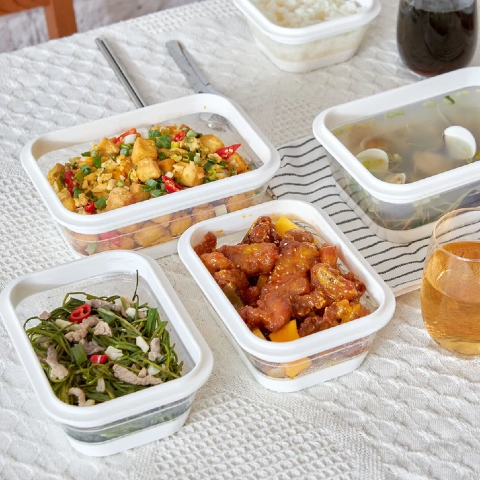
Even with daily washing, your lunch box occasionally needs a deeper clean to eliminate hidden residues and kill bacteria that regular washing might miss. Deep cleaning is especially important if you use your lunch box to store strong-smelling or sticky foods.
Baking soda is one of the most effective and natural deodorizers for lunch boxes. Fill the container with warm water and stir in 2 tablespoons of baking soda. Let it soak for a few hours or overnight for tough odors. After soaking, rinse thoroughly.
For stainless steel or glass containers, a vinegar rinse works wonders. Mix equal parts of white vinegar and water, pour into the lunch box, and let it sit for 15–20 minutes before rinsing. This helps neutralize odors, remove mineral stains, and kill germs naturally.
For a combined effect, sprinkle baking soda into the box and spray vinegar on top. The fizzing action can help dislodge grime in corners and seams.
Many lunch boxes have rubber or silicone seals, locking lids, or foldable parts that trap moisture and food bits. These spots are often overlooked but are prime locations for mold and bacteria.
Use a toothbrush or soft-bristled cleaning brush to scrub inside grooves and tight corners. If the seals are removable, take them out regularly to clean underneath. Let all parts dry completely before reassembly to prevent trapped moisture from turning into mold.
How you dry and store your lunch box after washing is just as important as the cleaning process itself. Incorrect drying can lead to mold growth, especially in humid climates or enclosed storage spaces.
After washing, resist the urge to towel-dry your lunch box immediately. Instead, allow it to air dry completely, preferably in a well-ventilated area. Place all parts—including lids and inner compartments—separately on a dish rack to ensure thorough drying.
Placing a wet or even slightly damp lunch box in a closed drawer or bag creates an ideal environment for mold and mildew. Open-air drying not only ensures freshness but helps maintain the shape and structure of the lunch box over time.
Closing the lid while the container is still wet inside—even slightly—traps moisture and can cause condensation to build up. This accelerates the growth of bacteria and gives rise to bad smells. Always ensure the lunch box is completely dry before sealing or storing it.
If you’re in a hurry, use a clean towel to wipe away surface moisture, but still leave it open for a few minutes afterward. For boxes with silicone seals, leave them slightly open to allow airflow.
Mistakes in the cleaning process can shorten the life of your lunch box or damage its material. Being aware of what not to do is just as crucial as knowing the right methods.
Avoid using bleach, strong chemical disinfectants, or ammonia-based cleaners, especially on stainless steel or BPA-free plastic containers. These substances can leave residues that may affect food safety and cause long-term material degradation.
Metal scrubbers, steel wool, or coarse pads may scratch non-stick coatings or damage decorative finishes. These scratches can then trap food and bacteria, making future cleanings more difficult. Always use soft sponges, cloths, or silicone brushes that clean without scraping.
While many lunch boxes are labeled as “dishwasher safe,” not all parts are truly suitable for high-temperature cycles. Dishwasher heat can warp plastic, discolor coatings, or weaken rubber seals.
If you do use a dishwasher, place your lunch box on the top rack and use a gentle or eco-friendly cycle. Avoid putting silicone lids or decorative outer layers near the heating element. Handwashing, though slightly more time-consuming, is always safer for delicate or insulated designs.
A clean lunch box doesn’t just make your meals safer—it enhances their taste, removes lingering odors, and prolongs the lifespan of your food container. By developing daily cleaning habits, performing deep cleans when needed, and avoiding harmful cleaning practices, you can enjoy a lunch box that looks, smells, and performs like new. At Ningbo Haowu, we believe that a good lunch box is more than a container—it's a daily companion that deserves proper care. Explore our line of easy-to-clean, detachable lunch boxes designed for effortless maintenance and long-term use. For questions or inquiries about our cleaning-friendly designs, contact us today. We’re happy to help you keep your lunch box as fresh as the food inside.