
Views: 0 Author: Site Editor Publish Time: 2025-10-16 Origin: Site


Burnt food can ruin any meal, and even a stainless steel pan can face stubborn scorch marks that are tough to remove. In this article, we show easy, step-by-step methods using household ingredients. You will learn safe cleaning tips to restore shine and protect your pan for long-term use.
Not all burnt residues are the same. Light scorch marks may only require gentle scrubbing, while heavy burnt-on food demands targeted cleaning methods. Examine the pan carefully and identify areas that need more attention. Doing this assessment first saves time and prevents over-scrubbing, which could damage the pan's surface.
Let the pan cool completely before attempting to scrape off food. Using wooden or silicone tools prevents scratches and preserves the stainless steel finish. Avoid metal utensils that can leave marks or compromise the pan’s longevity. Scraping loose debris gently ensures that subsequent cleaning methods work more effectively.
Fill the pan with warm water and add a few drops of dish soap. This loosens minor residues and softens hardened food. For particularly stubborn burns, an overnight soak is recommended. By combining warm water with soap, the burnt areas become easier to handle in later steps, reducing the risk of excessive scrubbing.
Baking soda is a versatile cleaning agent that is mildly abrasive and alkaline. It neutralizes acids in burnt food, lifting residues without harming the stainless steel surface. Its gentle nature makes it an ideal first choice for a natural cleaning method.
To make a paste, mix three parts baking soda with one part water. Spread the paste over burnt areas and allow it to sit for a few hours or overnight for tough burns. Use a nylon brush or soft sponge to scrub the pan in circular motions, focusing on heavily burnt spots. Rinse thoroughly and repeat if necessary.
For more stubborn burnt stains, combine baking soda with vinegar. Pour vinegar over the paste and allow the fizzing reaction to loosen charred food. Scrub carefully using a soft brush and rinse thoroughly afterward. Always handle vinegar carefully to avoid irritation or spills.
Lemon juice adds acidity to enhance the cleaning process. Sprinkle baking soda on the burnt area, then use a cut lemon to scrub the surface. This method not only removes burnt food but also restores shine. The slight fizz helps lift stubborn residues efficiently.
Table: Baking Soda Cleaning Combinations
Method | Ingredients | Recommended Use | Scrubbing Tool | Notes |
Paste Method | Baking soda + water | Light to medium burns | Nylon brush | Let sit 2-4 hours |
Vinegar Combo | Baking soda + vinegar | Stubborn burns | Soft sponge | Fizzing reaction aids removal |
Lemon Method | Baking soda + lemon juice | Scorched or oxidized stains | Lemon + sponge | Polishes and cleans simultaneously |
High heat often leaves rainbow-colored tints on stainless steel. These are caused by chromium oxidation. Applying a diluted vinegar solution neutralizes the oxidation and restores the pan’s natural look. Wipe gently with a soft cloth and rinse after treatment.
Deglazing is a familiar cooking technique that also works for cleaning. Heat the pan and pour water or vinegar onto the hot surface. Use a wooden spatula to lift burnt food. This method is safe and effective, especially for areas with stuck-on residues.
For severe burns, mix water and vinegar in a 1:1 ratio and bring to a boil in the pan. Let it simmer for 10-15 minutes while scraping gently. This loosens charred food without scratching the surface. Ensure proper ventilation to avoid strong vinegar fumes.
Dishwashing tablets are designed to break down tough, baked-on food effectively. To use, fill the pan with enough water to cover the burnt areas, drop in a tablet, and bring it to a gentle boil. Allow it to simmer for 10–15 minutes, which softens charred residues and makes them easier to remove. After simmering, let the pan cool slightly, then scrub the affected areas gently with a soft sponge or nylon brush. Rinse thoroughly to remove any leftover detergent or residue, and your pan should look refreshed without harsh chemical exposure.
Hydrogen peroxide is a versatile cleaner that can lift burnt-on food with minimal physical effort. Pour a small amount into the pan, ensuring the burnt areas are covered, and let it sit for 20–30 minutes in a well-ventilated area. This allows the peroxide to react with stubborn carbonized food, loosening it naturally. After soaking, scrub gently with a soft brush or sponge, then rinse thoroughly with warm water to remove any chemical remnants. This method is particularly useful for delicate pans where aggressive scrubbing could cause scratches.
Acidic foods, such as ketchup, vinegar, or lemon-based sauces, can be surprisingly effective for removing burnt residues. Apply ketchup directly to burnt patches and allow it to sit for 20–30 minutes. The acetic acid helps break down the carbonized material, making it easier to lift. After the soaking period, scrub gently using a soft sponge or nylon brush, and rinse thoroughly with warm water. This method is environmentally friendly, widely accessible, and safe for most stainless steel pans, offering a practical alternative to chemical cleaners.
Aluminum foil can act as a makeshift scrubber when combined with baking soda to tackle tough burnt-on food. Crumple the foil into a tight ball and dip it into a mixture of baking soda and water to create gentle abrasiveness. Scrub the burnt areas in circular motions, applying moderate pressure to remove residues. This method is effective for metal pans only, as nonstick and ceramic surfaces can easily be scratched. Always test on a small area first and rinse thoroughly after scrubbing to restore the pan’s surface.
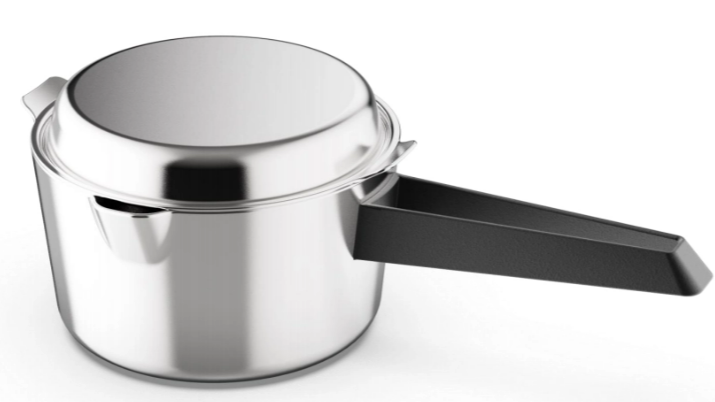
The exterior of a stainless steel pan is prone to grease splatters, burnt-on oil, and general discoloration from cooking. Identifying these problem areas allows for a targeted cleaning approach, which saves time and prevents over-scrubbing. Start by washing the outside with warm water and dish soap to remove surface dirt. Afterward, focus on stubborn stains using natural remedies, ensuring that you preserve the pan’s finish while maintaining its aesthetic appeal.
A combination of baking soda and lemon juice works wonders on the pan’s exterior. Sprinkle baking soda evenly over the stained areas and squeeze fresh lemon juice on top to create a gentle fizz. Let the mixture sit for 10–20 minutes to penetrate and lift grease or discoloration. Scrub the pan using a soft brush, sponge, or copper cloth, rinse with hot water, and dry with a clean towel. This method not only cleans but also restores the pan’s shine, leaving it polished and ready for regular use.
Maintaining a stainless steel pan’s exterior requires careful scrubbing. Avoid steel wool or harsh scouring pads, which can leave permanent scratches and dull the finish. Instead, use soft brushes, copper cloths, or nylon scrubbers to provide sufficient abrasiveness for cleaning. Circular motions are effective for lifting stains evenly without damaging the surface. Following these techniques ensures long-term preservation of both function and appearance.
After cleaning, restoring the pan’s luster is essential. Use a gentle stainless steel polish or commercial cleaner, applying it in circular motions across the exterior. This step removes residual marks, evens out the surface, and adds a protective layer that resists future stains. Regular polishing not only enhances aesthetics but also helps maintain the pan’s durability and prevents long-term discoloration or buildup.
Correct preheating and oiling prevent food from sticking and reduce the risk of burnt residues. Heat the pan gradually over medium heat, then add a thin layer of oil to create a temporary non-stick surface. This method ensures even cooking while protecting the pan’s surface from scorching. Avoid overheating, which can cause discoloration and make future cleaning more difficult.
Routine care is key to extending a pan’s lifespan. Wash the pan thoroughly after each use, dry it completely to prevent water spots, and periodically perform a deeper clean with baking soda or lemon. Light polishing maintains shine, prevents buildup, and reduces the frequency of intensive scrubbing sessions. Regular maintenance minimizes effort in the long run and keeps your pan looking like new.
Overheating, harsh chemical cleaners, and metal scouring pads can damage stainless steel surfaces permanently. Always allow burnt food to cool before attempting removal and stick to gentle cleaning techniques. Proper care prevents warping, scratching, and discoloration, ensuring the pan remains functional and visually appealing.
Annotation: Establishing a consistent maintenance routine significantly reduces the effort required to remove burnt residues, preserving both the surface and performance of your stainless steel pan.
For particularly stubborn burnt areas, sequentially use baking soda, vinegar, and gentle scrubbing. Start with soaking or paste application, followed by chemical reaction techniques like vinegar fizzing. Patience is essential—gradually loosening residues avoids surface damage and ensures complete cleaning without overexertion.
If burnt food persists after the first attempt, repeat the soaking or paste application. Multiple treatments are often necessary for heavy carbonized layers. Gradually working through stubborn areas ensures thorough cleaning without excessive force, which could scratch or dull the pan.
Always prioritize non-abrasive tools, such as wooden spatulas, nylon brushes, or soft cloths, to prevent surface damage. Avoid metal utensils inside the pan, as these can leave permanent scratches. Safe handling ensures that the pan retains its smooth surface, functional performance, and polished appearance over time.
Cleaning burnt stainless steel pans is achievable with baking soda, vinegar, and lemon. Proper techniques and regular care restore shine and hygiene. Ningbo Haowu offers high-quality kitchenware that simplifies maintenance and ensures long-lasting durability, making every stainless steel pan a reliable tool for your kitchen.
A: Use baking soda and vinegar as effective tools for cleaning burnt stainless steel pans. Follow a step-by-step guide to cleaning burnt stainless steel pan for best results.
A: Combine lemon juice with baking soda or use mild soaks. These natural ways to clean burnt stainless steel pan remove stains without harsh chemicals.
A: Yes, dishwashing tablets dissolve tough residues. They are one of the effective tools for cleaning burnt stainless steel pans.
A: Improper preheating or insufficient oil can cause sticking. Using correct techniques prevents future burns and simplifies cleaning.
A: Soak in warm soapy water or vinegar solution for several hours or overnight. This is part of a step-by-step guide to cleaning burnt stainless steel pan.
A: Yes, use wooden spatulas, nylon brushes, or soft cloths. They help lift burnt stains without scratching your stainless steel pan.


