
Views: 0 Author: Site Editor Publish Time: 2025-10-16 Origin: Site


Are stainless steel pans truly safe? Many home cooks worry about chemicals leaching from cookware, affecting their meals and health. Stainless steel pans resist leaching, last long, and offer reliable performance. In this article, you will learn about their safety, health benefits, and best practices for confident cooking.
A stainless steel pan is an alloy primarily made of iron, chromium, and sometimes nickel or other metals. Chromium forms a protective oxide layer that prevents rust and corrosion, while nickel adds strength and heat resistance. These alloying elements improve durability and maintain the pan’s structural integrity over years of use. High-quality stainless steel pans resist warping and withstand high temperatures, making them ideal for everyday cooking.
One of the main advantages of stainless steel pans is their non-reactive surface. Unlike aluminum or copper, stainless steel doesn’t interact with acidic or alkaline foods, which preserves the flavor and nutritional quality of your meals. You can cook tomato-based sauces, lemon-glazed dishes, or wine reductions without worrying about metallic taste or chemical reactions. This property also reduces the chance of unwanted metal exposure in your food.
Although stainless steel is not the best heat conductor on its own, multi-layered designs solve this issue. Tri-ply, 5-ply, or pans with aluminum or copper cores allow even heat distribution and reduce hot spots. This ensures searing, sautéing, and braising are performed efficiently. Well-engineered pans maintain a consistent cooking temperature and prevent food from sticking or burning.
Feature | Benefit |
Tri-ply/5-ply base | Even heat distribution |
Aluminum/Copper core | Faster heat conduction, energy efficiency |
High-quality alloy | Durability, corrosion resistance |
Non-reactive surface | Maintains flavor, nutrient retention |
Common kitchen grades include 18/8, 18/10, and 304. The first number indicates chromium content, and the second number shows nickel content. Higher nickel percentages increase corrosion resistance and durability. Using the right grade ensures minimal risk of nickel leaching in stainless steel pans while providing superior longevity. Choosing high-grade cookware is essential for both safety and cooking performance.
Although high-quality stainless steel pans are safe, minimal leaching of chromium or nickel can occur at very high temperatures or during prolonged cooking. Using properly manufactured pans and avoiding extreme heat can prevent potential exposure. The risk is particularly relevant for acidic dishes, where small amounts of metals may dissolve. Most daily cooking practices do not present any measurable health risk.
Avoid cooking on extremely high heat for long periods. Preheating the pan moderately and using medium to medium-high temperatures ensures safe cooking. Adding oil after preheating helps achieve even heat distribution and reduces sticking. These practices also protect the pan from warping or discoloration.
Stainless steel is the preferred choice for acidic recipes. It doesn’t react with tomatoes, citrus, or wine reductions. Unlike aluminum or copper, stainless steel maintains the taste, color, and nutrient content of food. Using stainless steel for these dishes enhances flavor and reduces the risk of chemical contamination.
Some individuals have nickel sensitivity, which may cause allergic reactions. Nickel-free stainless steel pans are available, offering similar durability and performance without nickel content. Choosing these alternatives ensures safe cooking while maintaining the benefits of stainless steel cookware.
Stainless steel pans outperform many other materials in durability. They resist scratches, dents, and rust, which prolongs their life span. Even with frequent use, these pans maintain their appearance and functionality. This durability translates into long-term savings and reliable cooking performance.
Effective cleaning maintains the non-reactive surface. Handwashing with mild detergent, baking soda, or vinegar works best. Avoid abrasive cleaners and steel wool, which can damage the pan. For stubborn stains, a paste of baking soda and water gently restores shine without harming the surface.
Cleaning Method | Recommended Use |
Mild dish soap | Daily cleaning |
Baking soda + water | Stubborn stains |
Vinegar rinse | Mineral deposits and discoloration |
Avoid steel wool | Prevent scratches |
Achieving nonstick results naturally requires preheating and using a small amount of oil. Proper cooking techniques, such as moving food gently and avoiding overcrowding, help release food easily. Over time, this method reduces reliance on chemical coatings and promotes healthier cooking.
Store pans to avoid scratches and preserve their surface. Use pan protectors, hang them, or stack carefully with protective layers in between. Proper storage maintains the pan’s integrity and prevents long-term damage.
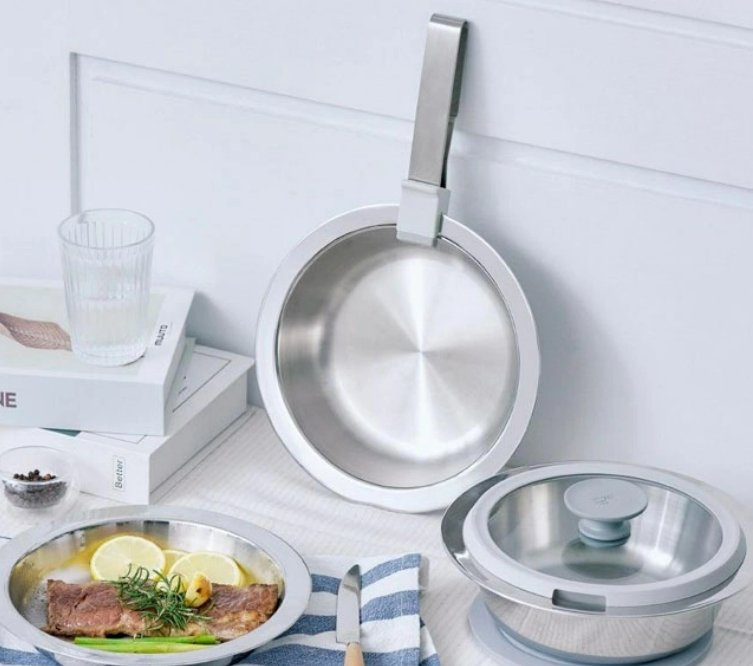
Stainless steel pans are free from PFOA, PTFE, lead, cadmium, and other harmful chemicals commonly found in lower-quality cookware. Cooking with these pans ensures that no toxic substances leach into your food, even under high heat. Their non-toxic nature makes stainless steel a reliable and safe choice for families, professional kitchens, and health-conscious cooks who prioritize toxin-free cooking every day.
The non-reactive surface of stainless steel prevents chemical interactions with acidic or alkaline ingredients, preserving the natural flavor, color, and nutrient content of food. Vitamins and minerals remain intact, and metallic tastes are avoided even when preparing tomato sauces, citrus-based dishes, or wine reductions. This makes stainless steel pans ideal for maintaining both the health benefits and taste integrity of your meals.
Durability and longevity make stainless steel pans an eco-friendly option. Unlike cookware that wears out quickly and contributes to landfill waste, stainless steel can last decades if properly maintained. Many stainless steel products are fully recyclable, reducing environmental impact. Investing in high-quality stainless steel supports sustainable cooking practices while delivering reliable performance year after year.
Stainless steel pans are versatile and compatible with all cooking surfaces, including gas, electric, induction, ovens, and broilers. They perform well for sautéing, searing, braising, and baking without compromising food safety. Their ability to handle high heat and diverse cooking techniques without leaching metals ensures safe, consistent results across every recipe you attempt.
While nonstick pans rely on chemical coatings that may degrade over time, stainless steel offers a non-toxic, durable alternative. Nonstick coatings like Teflon can release harmful fumes if overheated, whereas stainless steel maintains a safe cooking surface indefinitely. Although nonstick pans provide convenience, stainless steel excels in longevity, even heat distribution, and reliable, chemical-free performance.
Cast iron pans add beneficial iron to food but require seasoning, careful maintenance, and protection from rust. Stainless steel pans offer easier cleaning, resist corrosion, and maintain a neutral taste, making them a safer choice for those concerned about metal leaching. They combine the durability and heat retention advantages of cast iron with low maintenance and consistent performance.
Lower-quality aluminum pans may leach metals into food, especially when cooking acidic ingredients. Stainless steel avoids direct contact with reactive metals, preserving food safety and flavor. Clad stainless steel pans with aluminum or copper cores achieve even heat distribution without exposure to raw aluminum, providing the benefits of heat conductivity while eliminating potential health risks.
Heavier stainless steel pans offer superior heat distribution and resist warping over time. They maintain even cooking temperatures, prevent hot spots, and deliver consistent results for searing, sautéing, or simmering. Selecting the correct weight and thickness ensures optimal performance, safety, and long-term durability in both home and professional kitchens.
Handles play a critical role in kitchen safety. Secure, ergonomic handles prevent accidents, improve balance, and enhance control while moving or lifting pans. Well-attached, heat-resistant handles reduce the risk of spillage or burns, making cooking safer and more comfortable, especially when dealing with heavy or hot pans.
Stainless steel pans with aluminum or copper cores provide excellent heat conduction, minimizing hot spots and ensuring even cooking. Multi-layered designs enhance energy efficiency and reduce the likelihood of burning food. Whether cooking delicate sauces or high-heat searing, a properly clad pan delivers professional-level performance and reliability.
Choosing a pan that aligns with your regular cooking habits is essential. Shallow pans are ideal for searing and frying, while deeper pans accommodate stews, soups, and sauces. Understanding your typical recipes ensures that you select cookware that supports your style, improves efficiency, and maximizes safety during everyday use.
Contrary to popular belief, stainless steel pans are easy to maintain with proper techniques. Gentle detergents, baking soda, and moderate scrubbing remove residue effectively without damaging the surface. Regular cleaning prevents discoloration and buildup, making stainless steel both practical and low-maintenance for daily cooking.
Evidence indicates minimal risk of metal leaching when high-quality stainless steel is used. Proper cooking temperatures, avoiding prolonged high-heat exposure, and routine maintenance further reduce potential risks. High-grade stainless steel remains one of the safest cookware options available, providing peace of mind for health-conscious cooks.
While stainless steel is naturally nonstick-free, preheating and using a small amount of oil can create excellent food release. This approach avoids chemical coatings entirely, offering a healthier cooking method without compromising convenience or flavor. With proper technique, stainless steel pans perform comparably to coated nonstick cookware.
Common grades such as 18/8, 18/10, and 304 are all safe when used properly. Pan quality, temperature management, and correct cleaning practices have a greater impact on safety than minor grade differences. Understanding these factors helps cooks choose the best pan for long-term health and performance without unnecessary concern over specific grades.
High-quality stainless steel pans are safe and durable. They preserve flavor, nutrients, and resist chemical leaching. Ningbo Haowu offers premium cookware that combines versatility, non-toxic materials, and reliable performance. Choosing their products ensures long-term kitchen safety and cooking confidence.
A: Yes, a stainless steel pan is safe when used properly, addressing common stainless steel cookware safety concerns and minimizing metal leaching.
A: Minimal nickel leaching in stainless steel pans can occur at very high heat, but risks are low with quality cookware and proper cooking techniques.
A: Use moderate heat, avoid prolonged high-temperature cooking, and select high-grade pans to prevent health risks of stainless steel pans.
A: Stainless steel pans are non-reactive, durable, and preserve food nutrients, unlike some nonstick or low-quality aluminum options.


