
Views: 0 Author: Site Editor Publish Time: 2025-11-17 Origin: Site


Choosing the right lunch box goes beyond convenience; it's about safety and sustainability. Have you ever wondered if your lunch box is safe to microwave? As microwave-safe lunch boxes gain popularity, understanding their material and design is crucial. In this article, we'll explore what to look for in a microwave-safe lunch box. We'll cover health concerns, environmental impacts, and practical features to help you make an informed choice.
When it comes to lunch boxes, material safety is paramount. Many traditional plastic lunch boxes contain harmful chemicals like BPA (Bisphenol A) and phthalates, which can leach into your food, especially when heated in the microwave. These chemicals are linked to various health issues, including hormonal disruptions and developmental problems in children.
To ensure your food is safe, it's important to choose lunch boxes made from non-toxic materials like BPA-free stainless steel, silicone, and glass. These materials do not release harmful substances when heated and are far better for your health.
Plastic waste is one of the biggest environmental challenges we face today. Traditional plastic lunch boxes, especially disposable ones, contribute to pollution in oceans and landfills. Choosing an eco-friendly, reusable lunch box made from sustainable materials like stainless steel or glass significantly reduces plastic waste. By opting for a durable lunch box, you not only protect your health but also make a positive impact on the environment.
A lunch box isn't just for carrying food—it's a tool that needs to stand up to the rigors of everyday use. Whether it's for school lunches, work meals, or picnics, the lunch box should be durable, easy to clean, and practical. Features such as leak-proof designs and microwave-safe inserts make a lunch box more user-friendly. It's essential to pick a lunch box that suits your lifestyle while ensuring the materials used are microwave-safe and safe for frequent use.
The most important factor when choosing a microwave-safe lunch box is the material. Materials like BPA-free stainless steel, glass, and silicone inserts are the safest options for food storage. These materials are free from toxic chemicals and are designed to keep food fresh without altering its taste or leaching harmful substances into your meals.
Microwave Safe Lunch Box Materials:
Stainless Steel: Though not microwave-safe on its own, many stainless steel lunch boxes come with microwave-safe inserts, like glass or silicone, which allow safe reheating.
Glass: Glass is a great microwave-safe material that doesn't leach chemicals, preserves food flavor, and is easy to clean.
Silicone: A flexible and heat-resistant material that is microwave-safe and commonly used for lunch box inserts and seals.
These materials are generally safe for microwaving as long as the lunch box is labeled as microwave-safe and is used according to the manufacturer's instructions.
For a lunch box to be practical, it needs to be leak-proof. The best microwave-safe lunch boxes come with secure silicone seals that prevent spills, ensuring that your lunch stays where it belongs. A good lunch box should be able to handle liquid-based meals like soups and salads without making a mess. Look for lunch boxes that have an airtight and leak-proof design, ensuring that your lunch stays fresh and does not spill inside your bag or lunch tote. This is especially important for children's lunch boxes or when transporting food on the go.
A durable lunch box is an investment that can last for years, reducing the need for frequent replacements. Materials like stainless steel and silicone are much more durable than plastic and can withstand bumps, drops, and the daily wear and tear of being carried around. Moreover, opting for sustainable lunch boxes that last longer helps reduce waste in the long run. High-quality materials, combined with good design, mean fewer lunch boxes are tossed out after a short time.
Stainless steel is widely regarded as one of the best materials for lunch boxes due to its durability and non-toxicity. However, since stainless steel is not microwave-safe, many brands offer microwave-safe inserts made of glass or silicone. These inserts allow you to take advantage of stainless steel's strength and eco-friendliness while still being able to safely reheat your meals. Brands like Ecozoi offer stainless steel lunch boxes that come with microwave-safe glass or silicone inserts, combining the best of both worlds: durability and convenience.
Glass is an excellent microwave-safe option. It doesn't react with food, is free from chemicals like BPA, and preserves the food's taste. However, it is heavier and more fragile than other materials, which can make it less ideal for kids or on-the-go use. Glass lunch boxes are perfect for those who prioritize food purity and are willing to handle their containers with care. Many glass lunch boxes also come with lids that can be vented for microwave use, ensuring that the container can safely heat up without the risk of pressure buildup.
Silicone has become a popular choice for microwave-safe lunch boxes due to its heat resistance and flexibility. Silicone lunch boxes often have features such as easy-to-close lids with vents to release steam, making them practical for heating meals. These lunch boxes are generally lightweight, portable, and less prone to breaking compared to glass. However, keep in mind that silicone may not offer the same level of insulation or food safety as stainless steel or glass. It's best used for inserts, seals, and smaller lunch box designs.
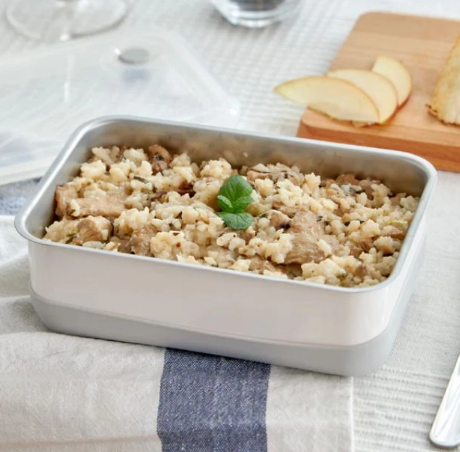
When choosing a microwave-safe lunch box for children, ease of use is crucial. The lunch box should be lightweight, easy to open, and, most importantly, microwave-safe. Features such as non-toxic materials, leak-proof designs, and compartments for portioning meals are ideal for kids' lunch boxes. Additionally, fun colors and designs can make lunchtime more enjoyable. Stainless steel lunch boxes with silicone or glass inserts are great for kids as they are durable, eco-friendly and microwave-safe, while still being safe for everyday use.
Stainless steel with silicone inserts provides the perfect balance of safety and functionality for children. These lunch boxes are robust enough to handle rough handling, while the microwave-safe inserts make it easy to reheat food. The non-toxic materials ensure that your child's food is safe, and the silicone inserts make them easy to clean and maintain.
Lunch boxes for kids don't have to be boring or unsafe. Many brands offer stylish designs with fun colors and characters, making the lunch box both safe and appealing to children. The eco-friendly materials used, such as stainless steel and BPA-free silicone, ensure that kids' food is stored in a safe environment.
For professionals, a lunch box needs to be compact, sleek, and practical. Microwave-safe lunch boxes made from stainless steel or glass with silicone inserts are perfect for work settings. These lunch boxes are designed to fit easily into bags or briefcases, allowing professionals to bring their lunch to the office and reheat it safely in the microwave. The microwave-safe inserts ensure that you can quickly reheat leftovers without worrying about harmful chemicals leaching into your food.
A microwave-safe lunch box for the office should be designed with practicality in mind, ensuring it is easy to pack, heat, and clean. Features such as stackable compartments for meal prep are essential, allowing office workers to organize their meals efficiently, keeping different food items separated and fresh. Additionally, microwave-safe inserts made from glass or silicone are valuable, as they enable you to safely heat your food without worrying about harmful chemicals leaching. Leak-proof seals are also crucial for preventing spills, especially when carrying soups or salads. Durability is key for a lunch box that will withstand daily use—look for sturdy materials that can handle being tossed around in bags or briefcases without breaking. This combination of features ensures that the lunch box can support a busy office lifestyle, making it a reliable and practical choice.
Choosing an eco-friendly, microwave-safe lunch box for the office is an easy yet impactful way to contribute to a sustainable lifestyle. Every day, millions of disposable plastic containers are used, contributing to massive plastic waste that ends up in landfills and oceans. By opting for a lunch box made from reusable materials such as stainless steel, glass, or silicone, you are significantly reducing your environmental footprint. These materials are not only durable but also recyclable, making them a sustainable alternative to disposable plastic containers. Investing in a high-quality lunch box doesn't just protect your health from harmful chemicals, but it also supports a greener, more sustainable office environment. It’s a small change that can lead to meaningful environmental benefits in the long run.
Every time you choose to use a reusable lunch box instead of a disposable plastic one, you help reduce plastic waste. Disposable plastic containers are a major contributor to pollution, especially in our oceans, where they take hundreds of years to decompose. In contrast, microwave-safe, reusable lunch boxes made from stainless steel, silicone, or glass offer a lasting solution that not only helps to eliminate waste but also ensures that your food is stored safely. By making the switch to a durable, microwave-safe lunch box, you are making an important step toward protecting the planet from the harmful effects of single-use plastics.
Durability plays a crucial role when it comes to reducing waste. High-quality, microwave-safe lunch boxes are built to last for years, meaning they don't need frequent replacement like disposable plastic containers. This longevity makes them a more sustainable choice, as they don't contribute to the waste stream in the same way that cheap, throwaway options do. By investing in a durable lunch box, you not only save money in the long term, but you also contribute to environmental conservation. These lunch boxes are made to withstand daily use, making them a practical and eco-friendly solution for anyone looking to minimize their environmental impact.
Materials like stainless steel, glass, and silicone are not only durable and practical but also eco-friendly. Stainless steel is highly recyclable, meaning it can be repurposed after use with minimal environmental impact. Similarly, glass is a recyclable material that doesn't degrade over time, making it an excellent choice for those seeking a sustainable and long-lasting solution. Silicone, while flexible and heat-resistant, can be reused multiple times without causing harm to the environment. These materials are safe for both your health and the planet, offering an eco-friendly alternative to traditional plastic lunch boxes. Choosing products made from these materials is an effective way to reduce waste and promote sustainability while ensuring that your food is stored in a safe, toxin-free environment.
Choosing the right microwave-safe lunch box is crucial for both safety and sustainability. Properly selected lunch boxes, made from non-toxic materials like stainless steel, glass, and silicone, can help you avoid harmful chemicals and reduce environmental impact. When selecting your lunch box, consider durability, leak-proof designs, and eco-friendly features.
For those looking for reliable and microwave-safe options, Haowu offers a range of products that provide lasting value. Their lunch boxes combine quality materials with practical designs to meet daily needs, making them a great choice for health-conscious and eco-minded consumers.
A: Microwave-safe lunch boxes are typically made from materials like BPA-free plastic, glass, or stainless steel with microwave-safe inserts. These materials ensure food safety and prevent harmful chemicals from leaching.
A: Look for a clear microwave-safe label or symbol on the lunch box. Avoid using any lunch box that does not explicitly state that it's safe for microwave use.
A: Some lunch boxes, especially those made of metal or non-microwave-safe plastic, can cause sparks or leach chemicals when heated, making them unsafe for microwave use.


