
Views: 0 Author: Site Editor Publish Time: 2025-11-18 Origin: Site


Choosing between an insulated lunch box and an insulated tote can be tricky, especially when it comes to keeping food hot. Which one does a better job at maintaining temperature? In this article, we'll explore the key differences and help you decide which option works best for you. In this article, we'll explore the insulated lunch box vs insulated tote debate, focusing on which one excels at keeping food hot longer. By the end of this read, you'll know exactly which option suits your needs best.
An insulated lunch box is a structured container designed to keep food at the right temperature for hours. These boxes are typically made with high-quality insulating materials, such as foam, reflective linings, or thermal barriers, which reduce heat loss or gain.
Insulated lunch boxes excel at retaining heat. They often feature multi-layered insulation with a combination of foam and reflective aluminum foil. This construction works by trapping the heat inside, while the reflective material helps bounce the heat back towards the food, preventing it from escaping. For instance, if you're packing a hot meal like soup or pasta, an insulated lunch box can keep it warm for several hours, making it ideal for professionals or students who want a hot meal during lunchtime.
Superior Insulation: Designed to maintain hot or cold temperatures for longer durations.
Food Organization: Compartments help keep meals organized and prevent food from mixing.
Durability: Insulated lunch boxes are built to withstand frequent use.
Bulkier: Can be heavier and less portable, especially when packed with larger meals.
Higher Cost: Typically more expensive compared to lunch bags or totes.
Limited Versatility: They are less flexible in terms of accommodating larger or irregularly shaped food items.
An insulated tote is a flexible, soft-sided carrier designed to keep food at a stable temperature for a few hours. Made with layers of insulating foam, reflective liners, and water-resistant materials, insulated totes are often used for carrying food on picnics, outings, or to work.
While insulated totes also rely on foam and reflective linings to trap heat, they tend to perform less effectively than lunch boxes over extended periods. However, they are great for short-term use or when you need to keep food warm for a few hours. Insulated totes are generally more spacious, allowing for larger portions, but they may not have the same level of insulation that a lunch box offers.
Stylish and Spacious: Totes offer more room for larger meals and can be more fashionable.
Portable: Easier to carry, with shoulder straps or handles for convenience.
Versatility: Great for carrying more than just food (e.g., drinks, snacks, or extra items).
Less Effective Insulation: May not keep food hot for as long as lunch boxes, especially over long durations.
Can Be Bulky: Larger totes may still take up a lot of space and feel cumbersome.
The primary concern for many consumers is which option keeps food hot longer. While both insulated lunch boxes and insulated totes use similar materials for insulation, their designs differ in terms of effectiveness:
Insulated Lunch Boxes: These provide superior insulation, keeping your meals hot for 4 to 6 hours or longer depending on the quality. The structured design and multiple insulating layers help maintain the food's temperature.
Insulated Totes: Typically, these bags can keep food hot for about 2 to 4 hours without additional cooling or heating support. The insulation is effective but doesn't offer the same prolonged heat retention as lunch boxes.
If you need to keep food hot for longer periods (like for office lunches or long outdoor trips), an insulated lunch box may be the better choice. However, if you're only concerned about a couple of hours, an insulated tote could suffice.
Lunch Boxes: While lunch boxes are effective at keeping food hot, they can be bulkier, making them less portable. They're ideal for work, school, or situations where food organization and temperature control are priorities.
Totes: Insulated totes are generally more portable and flexible, allowing for easier packing of irregularly shaped items. They're perfect for picnics or casual day trips but might not provide the same temperature control as lunch boxes.
If you're looking for something compact and easy to carry for long hours, go for an insulated lunch box. For quick trips or less structured meals, consider an insulated tote.
When it comes to long-term use:
Insulated Lunch Boxes: These are built to last and withstand daily wear and tear. The sturdy design ensures long-term value.
Insulated Totes: While stylish and often made from durable materials, they may wear out quicker due to their softer, more flexible design.
If you're looking for something that will last for several years, an insulated lunch box is likely a better investment.
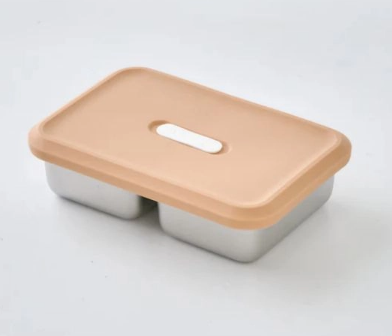
An insulated lunch box is a structured container specifically designed to keep food at the desired temperature for extended periods. These lunch boxes are often constructed with high-quality insulating materials, such as foam, reflective linings, or thermal barriers, which work to minimize heat loss or gain. The combination of these materials ensures that hot meals stay warm and cold foods remain chilled for several hours. Typically, insulated lunch boxes feature a sturdy and compact design, making them ideal for storing and organizing food in a neat, efficient way. They are often used by professionals, students, or anyone who needs to carry a hot meal with them throughout the day.
Insulated lunch boxes are designed with multiple layers of insulation, which work together to retain the temperature of your food for a long time. Many of these boxes feature foam insulation, combined with reflective aluminum foil, which helps bounce the heat back towards the food, preventing it from escaping. This design ensures that meals, such as soups, pastas, or other hot dishes, stay warm for anywhere from 4 to 6 hours or longer. The primary benefit of an insulated lunch box is its ability to maintain the optimal temperature for extended periods, making it an excellent choice for individuals who require hot meals at work, school, or on the go.
An insulated tote is a flexible, soft-sided carrier designed to keep food at a stable temperature for a few hours. These totes typically feature layers of insulating foam, reflective liners, and water-resistant materials. Insulated totes are highly versatile and can be used to carry a variety of items, including food, drinks, and other essentials. They are ideal for casual outings such as picnics, work lunches, or day trips. The soft, spacious design allows for easy packing, even with irregularly shaped food items, making it a convenient option for those who don't require as strict temperature control as provided by insulated lunch boxes.
Insulated totes, like lunch boxes, rely on foam and reflective linings to trap heat and maintain temperature. However, because of their more flexible design and less rigid insulation, they typically perform less effectively than lunch boxes over extended periods. Insulated totes are ideal for short-term use, such as keeping food warm for 2 to 4 hours, which is perfect for situations like lunch breaks, short trips, or outdoor activities. While they offer larger storage space for carrying bigger portions, their insulation may not maintain the heat for as long as a lunch box, making them less suitable for those who need to keep food hot for long periods.
For busy professionals who need to keep food hot throughout a long day at work, an insulated lunch box is likely the best option. These lunch boxes excel at heat retention and help keep meals organized in compartments. With their compact and sturdy design, they provide reliable temperature control for several hours, ensuring you have a hot meal at lunchtime. If you're someone who requires a consistent temperature for your meals, investing in an insulated lunch box will help maintain that temperature longer and keep your food at its best.
For those who love outdoor activities, such as hiking, camping, or traveling, an insulated tote may be the better choice. The larger, more flexible design makes it easier to carry larger meals, snacks, and beverages, making it perfect for more casual outdoor events or day trips. While it may not maintain the heat as effectively as a lunch box, an insulated tote can still keep food warm for a few hours, which is often enough for shorter outings. Its portable nature and spacious design make it ideal for packing irregularly shaped items that a lunch box may not accommodate.
When considering budget and value, there are differences between insulated lunch boxes and insulated totes. Insulated lunch boxes tend to be pricier upfront, but they offer exceptional value over time due to their durability and long-lasting temperature control. If you are someone who needs reliable heat retention for long hours and is willing to make a higher investment, an insulated lunch box is the better choice. On the other hand, insulated totes are more affordable upfront and provide flexibility for those who need a larger space or for shorter durations of use. However, they may not last as long or keep food hot for extended periods as effectively as lunch boxes, so it's important to consider how long you need to maintain food temperature when making your choice.
In conclusion, choosing between an insulated lunch box and an insulated tote depends on your specific needs. Haowu's insulated lunch boxes excel in temperature retention, keeping food hot for longer periods, making them perfect for professionals or anyone needing to keep meals at optimal temperatures for several hours. Haowu's insulated totes, while less effective at heat retention, offer flexibility, style, and more space for carrying larger meals. Always consider the duration for which you need to keep food hot. For longer periods, opt for Haowu's insulated lunch box. For a few hours or more casual use, Haowu's insulated tote might be the ideal choice.
A: An insulated lunch box offers superior heat retention, keeping food hot for longer, while an insulated tote is more flexible and stylish but may not maintain heat as effectively.
A: Insulated lunch boxes generally keep food hot for 4-6 hours, while insulated totes can keep food warm for 2-4 hours, depending on the design and insulation.
A: Yes, both options can be used to keep food at the right temperature. However, an insulated lunch box performs better for hot food, while a tote may be more versatile for cold meals.


