
Views: 0 Author: Site Editor Publish Time: 2025-11-19 Origin: Site


Have you ever struggled with a food container that just won't seal right? Whether you're a home cook or running a business, these issues can be frustrating. In this article, we'll tackle the seven most common problems with food containers and offer simple solutions to fix them. You'll learn how to prevent odor buildup, ensure proper sealing, and choose the best materials for food storage.
A tight seal is crucial in food storage. Containers that don't seal properly allow air, moisture, and contaminants to seep in, leading to food spoilage and a decrease in freshness. Improperly sealed containers also accelerate bacterial growth, leading to foodborne illnesses.
To check if your food containers are properly sealed, test them by filling them with water and closing the lid tightly. After shaking or turning them upside down, inspect for any leaks. You can also check if the lid fits snugly by looking for gaps or resistance when closing the container.
Invest in containers with silicone seals or snap-lock designs, which are known for creating a reliable airtight environment. Choose containers with clear markings or indicators that show if the seal is closed properly. Additionally, you can use double-sealing methods for items that require extra security, such as liquids or moist foods. Look for food containers with easy-to-use silicone seals and snap-on lids to reduce the risk of leaks.
To avoid the frustration of cracked or unreliable seals, opt for containers made from sturdy materials like BPA-free plastics or glass. Investing in these high-quality options ensures long-term durability and reduces the risk of packaging failure over time.
Microwave-safe containers are made to withstand heat without breaking down or leaching harmful chemicals into the food. Containers that aren't microwave-safe can release substances such as BPA or phthalates when heated, which can pose serious health risks over time. If the container doesnt explicitly say microwave-safe, it's better to avoid using it in the microwave. Also, look for containers that are labeled with symbols like a microwave icon or the phrase safe for microwave use.
Opt for containers made from glass or heat-resistant plastics, which are specifically designed for high temperatures. Materials such as borosilicate glass or certain types of PP (polypropylene) plastics are ideal for microwave use because they won't leach harmful chemicals when exposed to heat. Always double-check the manufacturer's guidelines on your food containers to ensure they are microwave-safe before use.
Store leftovers in microwave-safe containers that fit the food portion. Containers that are too small or too large may cause uneven heating, leading to uneven food temperature or even spills when reheating.
Certain materials, especially low-quality plastics, have porous surfaces that are prone to absorbing strong food odors. Foods with potent smells, such as garlic, fish, or curry, leave lingering scents that can be difficult to remove. Over time, these odors may accumulate, making the container unpleasant to use again. Additionally, some plastics have a tendency to retain these odors more easily than others, which can transfer to the next food item stored, creating a cross-contamination of smells that affects the overall freshness of your food.
To prevent odors from being absorbed into your containers, it's best to store strong-smelling foods in containers made from glass. Glass containers are non-porous, meaning they won't absorb odors the way plastic can. Choose glass containers with airtight lids, as these provide a secure seal and prevent the escape of odors. You can also store particularly pungent foods, such as onions, garlic, or curries, in separate containers to avoid cross-contamination of odors with other foods.
Glass is widely considered the best option for odor-free food storage due to its non-porous nature. Stainless steel is also a solid choice, as it provides a reliable, odor-resistant alternative to plastic. Additionally, BPA-free plastics that are specifically designed for food storage often offer a non-porous structure, reducing the risk of odor retention. It’s important to select containers that are explicitly designed for food storage, as these typically use materials that resist odor absorption and ensure that your food stays fresh for longer periods.
To effectively remove odors from food containers, it's essential to wash them immediately after use with hot, soapy water. For stubborn odors, consider using baking soda or vinegar as a natural odor-neutralizer. Sprinkle a small amount of baking soda inside the container, close the lid, and let it sit overnight. After soaking, wash the container thoroughly. Another option is to use a mixture of vinegar and warm water to help neutralize the smell before washing, ensuring that your container stays fresh and odor-free for future use.
Choosing the correct container size is essential to maintaining food quality. When the container is too large for the amount of food being stored, excess air remains inside, which accelerates spoilage and can lead to food drying out or becoming stale. Conversely, when the container is too small, food can become squished, and the lid may not seal properly, leading to leakage or contamination. Ensuring that the container size matches the portion you intend to store helps create the optimal environment for food preservation, minimizing waste and extending shelf life.
When selecting a container, it's crucial to match the size to the amount of food you plan to store. For dry foods, such as cereals or grains, larger containers with secure lids work best, as they offer ample space for proper storage. For wet foods, like soups or leftovers, choose containers that fit the portion size. This ensures that the container is filled to an appropriate level, reducing excess air and providing a tight seal. The right container size will help preserve the food's freshness, texture, and nutritional value.
Stackable and modular containers are excellent for maximizing space in your kitchen, especially in tight storage areas such as the fridge, pantry, or kitchen cupboards. These containers allow you to store food efficiently, making organization easier and more accessible. When you opt for stackable containers, you can take advantage of vertical space, keeping your kitchen neat and orderly. Modular containers are versatile and can be adjusted to fit various food portions or sizes, making them ideal for bulk items that need separate storage compartments.
For bulk or irregularly shaped food items, custom or adjustable containers are a good investment. These containers are designed to adapt to unique food shapes and sizes, ensuring that they stay fresh and properly sealed. Adjustable containers are particularly useful for storing items like fruits, vegetables, or large cuts of meat that don't fit in standard container sizes. Custom containers can be tailored to suit your food storage needs, reducing food wastage and helping keep ingredients fresh for longer.
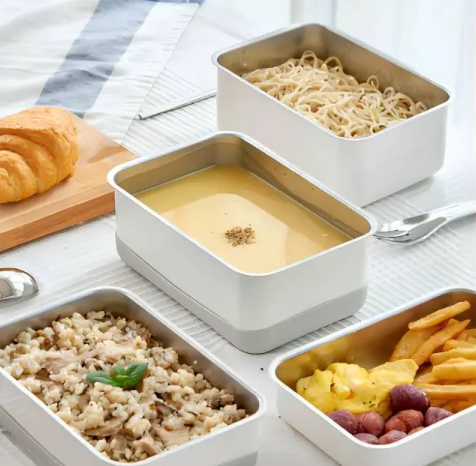
Certain food containers, particularly those made from low-quality plastics, are more prone to cracking due to their thin walls and inadequate material strength. Containers that are exposed to extreme temperatures—whether too hot or too cold—are particularly vulnerable to cracking. Plastic containers, especially low-density ones, can break under pressure, leading to a shorter lifespan. Additionally, poor-quality containers may not be designed to withstand the wear and tear of daily use, making them less durable over time.
To prevent cracking, choose containers made from reinforced materials such as borosilicate glass or high-density polyethylene (HDPE) plastic. These materials are more durable and resistant to cracking under stress. Avoid subjecting containers to rapid temperature changes, as this can cause the material to contract or expand, leading to cracks. For plastic containers, look for those labeled as impact-resistant to ensure durability. Glass containers, while more prone to breaking upon impact, can be more durable overall if they are reinforced with thicker walls or protective coatings.
Investing in durable, high-quality containers is key to avoiding frequent replacements and ensuring that your food storage system lasts for years. Look for containers with extra-thick walls, or those made from materials specifically designed to resist cracking and breaking. Additionally, consider purchasing containers with reinforced edges or impact-resistant designs that offer superior strength. Proper handling, such as avoiding dropping or exposing containers to sudden temperature fluctuations, can also help preserve their integrity and prolong their use. Store containers in areas where they are less likely to be knocked over or exposed to drastic temperature shifts, ensuring that they last longer and remain functional.
Single-use plastics are a significant environmental issue, contributing to the growing problem of landfill waste and ocean pollution. These containers, commonly used for takeout food or pre-packaged items, can take hundreds of years to decompose, causing long-term environmental damage. They often end up in landfills or waterways, where they harm wildlife and ecosystems. As a result, it's becoming increasingly important to switch to more sustainable alternatives to reduce the environmental footprint of food storage.
A sustainable approach to food storage involves switching to environmentally friendly alternatives such as glass, bamboo, or biodegradable plastics. Glass containers are a reusable and recyclable option, offering a long-lasting solution to reduce waste. Bamboo containers are a great eco-friendly choice due to their renewable nature, and compostable plastics made from materials like sugarcane bagasse provide an excellent alternative to traditional plastic. Choosing biodegradable or recyclable materials helps reduce the environmental burden and promotes a more sustainable lifestyle.
When selecting food containers, look for those made from recycled or sustainable materials. Many brands now offer compostable or reusable options that are designed to help reduce your carbon footprint. Reusable containers not only save money but also significantly reduce waste compared to single-use plastic containers. Opt for containers labeled with eco-certifications or those that clearly state their environmental benefits, such as compostability or recyclability. Avoid single-use plastic containers whenever possible. By choosing reusable or recyclable food storage options, you can contribute to a cleaner environment and reduce the amount of waste that ends up in landfills.
Some food containers feature complex shapes, tight crevices, or unsealed lids that make cleaning difficult. These designs often trap food particles, grease, and bacteria, leading to improper sanitation. Plastic containers with textured surfaces or intricate designs may be particularly challenging to clean thoroughly. Furthermore, containers without wide openings or smooth interiors can accumulate food residue over time, which can harbor germs and odors.
For effective cleaning, always choose dishwasher-safe containers when possible, as they offer convenience and thorough cleaning. For non-dishwasher containers, soak them in warm, soapy water for a while to loosen any stuck food. A bottle brush or small scrub brush is helpful for reaching corners and crevices. If there are sticky residues or grease build-up, use a mixture of vinegar and water to break down the grease before washing. This will make it easier to clean the container and maintain hygiene.
Opt for containers made from materials that are easy to clean, such as glass or stainless steel. These materials tend to have smoother, non-porous surfaces that don't trap food residue as plastic does. When choosing a container, consider its shape and design. Wide-mouthed containers with smooth interiors are much easier to clean compared to those with tight lids or intricate designs. Look for containers that are designed specifically for easy maintenance, and avoid those with small crevices that can trap food particles. For sticky residues, apply a mixture of vinegar and water to help break down the grease, making cleaning easier.
Food containers are essential for food safety and freshness, but common issues like poor sealing or odor buildup can reduce their effectiveness. By addressing these problems, you can improve your food storage practices. Investing in high-quality, durable, and sustainable containers helps reduce food waste and maintain food quality. Companies like Haowu offer reliable solutions. Their Food Container are designed to provide long-lasting value for all your food storage needs.
A: Common issues with food containers include poor seals, odor absorption, cracks, and difficulty in cleaning. These can affect food freshness and safety.
A: A good way to prevent food container odor is by using airtight containers made from glass or high-quality BPA-free plastics. Regular cleaning with vinegar or baking soda can also help.
A: Food containers may crack due to low-quality materials or exposure to extreme temperatures. Investing in durable, impact-resistant containers can prevent this.


